Author: @arjun

  • Tinnitus Causes, Types & Treatment Options | Best ENT Doctor in Rohini

    Tinnitus Causes, Types & Treatment Options | Best ENT Doctor in Rohini

    Introduction

    Tinnitus is a prevalent hearing condition that affects millions of people worldwide, characterized by the perception of sound when no external sound is present. Best ENT Doctor in Rohini Often described as ringing, buzzing, hissing, or whistling in the ears, tinnitus can range from a minor annoyance to a debilitating condition that significantly impacts quality of life. Understanding tinnitus, its causes, and available management options is crucial for anyone experiencing this condition.

    What is Tinnitus?

    Tinnitus is not a disease itself but rather a symptom of an underlying condition affecting the auditory system. The phantom sounds can be perceived in one or both ears, inside the head, or seem to come from a distance. While often associated with hearing loss, tinnitus can occur in individuals with normal hearing as well. Best ENT Doctor in Rohini

    The condition affects approximately 15-20% of the population, with higher prevalence among older adults. For about 25% of those affected, tinnitus significantly interferes with daily activities, sleep, concentration, and emotional well-being. Consulting with the best ENT Doctor in Rohini is essential for proper diagnosis and personalized treatment planning.

    Types of Tinnitus

    Tinnitus is generally classified into two main categories:

    Subjective Tinnitus

    This is the most common form, accounting for about 95% of cases. Only the person experiencing it can hear the sound. Subjective tinnitus usually results from problems in the outer, middle, or inner ear, or issues with the auditory pathways in the brain that interpret nerve signals as sound.

    Objective Tinnitus

    This rare form can be heard by both the patient and the examining physician during evaluation. Objective tinnitus typically stems from vascular abnormalities, muscular contractions, or inner ear bone conditions. It accounts for less than 5% of tinnitus cases but often has identifiable and treatable causes. Best ENT Doctor in Rohini

    Common Causes of Tinnitus

    Understanding the root cause of tinnitus is fundamental to effective management. The Best ENT specialist in Rohini can help identify these underlying factors:

    Age-Related Hearing Loss

    Natural deterioration of the inner ear structures with age (presbycusis) is one of the most common causes of tinnitus. Hair cells in the cochlea become damaged over time, leading to both hearing loss and tinnitus. Best ENT Doctor in Rohini

    Noise Exposure

    Prolonged exposure to loud sounds damages the delicate hair cells in the inner ear. This can result from occupational noise, recreational activities like attending concerts, or using loud machinery without proper hearing protection. Even a single exposure to extremely loud noise can cause acute tinnitus. Best ENT Doctor in Rohini

    Ear Blockages

    Excessive earwax accumulation, ear infections, or foreign objects in the ear canal can cause pressure changes and irritation, leading to temporary tinnitus. This type often resolves once the blockage is removed. Best ENT Doctor in Rohini

    Medications (Ototoxicity)

    Certain medications can trigger or worsen tinnitus, including high doses of aspirin, some antibiotics, anti-inflammatory drugs, diuretics, and chemotherapy agents. The effect may be temporary or permanent, depending on the medication and dosage. Best ENT Doctor in Rohini

    Medical Conditions

    Various health issues can contribute to tinnitus, including Meniere’s disease, temporomandibular joint (TMJ) disorders, head or neck injuries, acoustic neuromas, blood vessel disorders, diabetes, thyroid problems, and cardiovascular conditions.

    Lifestyle Factors

    Stress, anxiety, depression, fatigue, and poor sleep can exacerbate tinnitus or make it more noticeable. Some people also report worsening symptoms with caffeine, alcohol, or nicotine consumption. Best ENT Doctor in Rohini

    Diagnosis and Evaluation

    Proper diagnosis involves a comprehensive evaluation by a qualified specialist. A Best ENT Doctor in Rohini will conduct several assessments:

    • Detailed medical history and symptom description
    • Physical examination of the ears, head, and neck
    • Hearing tests (audiometry) to assess hearing function
    • Imaging studies (MRI or CT scans) if structural problems are suspected
    • Blood tests to check for underlying conditions like thyroid disorders or anemia

    The pitch, volume, and characteristics of the tinnitus help determine potential causes and guide treatment approaches. Best ENT Doctor in Rohini

    Management and Treatment Options

    While there’s currently no universal cure for tinnitus, numerous management strategies can significantly reduce symptoms and improve quality of life:

    Sound Therapy

    Using external sounds to mask or distract from tinnitus can provide relief. Options include white noise machines, hearing aids with masking features, smartphone apps, and environmental sounds like fans or soft music.

    Hearing Aids

    For individuals with both tinnitus and hearing loss, hearing aids can amplify external sounds, making tinnitus less noticeable. Many modern hearing aids include built-in tinnitus masking features. Best ENT Doctor in Rohini

    Cognitive Behavioral Therapy (CBT)

    This psychological approach helps patients change their emotional response to tinnitus. CBT teaches coping strategies and relaxation techniques that reduce distress and improve quality of life.

    Tinnitus Retraining Therapy (TRT)

    This specialized treatment combines sound therapy with counseling to help the brain habituate to tinnitus, making it less noticeable over time. Success rates are high when properly implemented.

    Medications

    While no medication specifically cures tinnitus, some drugs can help manage associated symptoms like anxiety, depression, or sleep disturbances. A Best ENT specialist in Rohini can determine if medication might be beneficial.

    Lifestyle Modifications

    • Avoiding loud noise exposure and using hearing protection
    • Managing stress through meditation, yoga, or exercise
    • Limiting caffeine, alcohol, and nicotine
    • Maintaining good sleep hygiene
    • Treating underlying conditions like high blood pressure

    Alternative Therapies

    Some patients find relief through acupuncture, hypnosis, or dietary supplements like ginkgo biloba or zinc, though scientific evidence for these approaches varies.

    Living with Tinnitus

    Managing tinnitus often requires patience and a multifaceted approach. Support groups, either in-person or online, can provide valuable emotional support and practical tips. Keeping a tinnitus journal helps identify triggers and track the effectiveness of different management strategies.

    Conclusion

    Tinnitus is a complex condition with multiple potential causes and no one-size-fits-all solution. However, with proper evaluation and a comprehensive management plan, most people can significantly reduce the impact of tinnitus on their daily lives. Early intervention and expert guidance are crucial for optimal outcomes. If you’re experiencing persistent ringing or buzzing in your ears, don’t hesitate to seek professional help for an accurate diagnosis and effective treatment options.

    Frequently Asked Questions (FAQs)

    1. Is tinnitus permanent? 

    Not always. Temporary tinnitus from noise exposure or ear infections often resolves. Chronic cases require ongoing management.

    2. Can tinnitus lead to deafness? 

    No, tinnitus doesn’t cause hearing loss, though both often share common underlying causes.

    3. What makes tinnitus worse? 

    Loud noise, stress, caffeine, alcohol, lack of sleep, and certain medications can worsen symptoms.

    4. Can tinnitus be cured? 

    There’s no universal cure, but many effective management strategies can significantly reduce symptoms and improve quality of life.

    5. When should I see a doctor for tinnitus? 

    Consult an ENT specialist if tinnitus is persistent, affects one ear only, follows head injury, or impacts daily activities.


  • Swimmer’s Ear vs Regular Ear Infection: Key Differences | Dr Shikhar Gupta

    Swimmer’s Ear vs Regular Ear Infection: Key Differences | Dr Shikhar Gupta

    Introdution

    Ear pain can be distressing, but not all ear infections are the same. Understanding whether you’re dealing with swimmer’s ear or a regular ear infection is crucial for getting the right treatment. As the Best Ear infection doctor in Rohini, Dr. Shikhar Gupta helps patients distinguish between these two common conditions and provides expert care tailored to each diagnosis.

    What is a Regular Ear Infection?

    A regular ear infection, medically known as otitis media, occurs in the middle ear—the air-filled space behind the eardrum. This type of infection typically develops when bacteria or viruses from a cold, flu, or respiratory infection travel through the Eustachian tube and reach the middle ear.Best Ear infection doctor in Rohini

    Middle ear infections are especially common in children because their Eustachian tubes are shorter and more horizontal, making it easier for germs to reach the middle ear. These infections often follow upper respiratory infections and can cause fluid buildup behind the eardrum.Best Ear infection doctor in Rohini

    Common symptoms include:

    • Deep, throbbing ear pain
    • Feeling of fullness or pressure in the ear
    • Muffled hearing or temporary hearing loss
    • Fever
    • Fluid drainage from the ear (if the eardrum ruptures)
    • Irritability and trouble sleeping (in children)

    What is Swimmer’s Ear?

    Swimmer’s ear, or otitis externa, is an infection of the outer ear canal—the tube that runs from the outer ear to the eardrum. Despite its name, you don’t have to be a swimmer to develop this condition, though water exposure is a primary risk factor.Best Ear infection doctor in Rohini

    When water remains trapped in the ear canal after swimming or bathing, it creates a moist environment that encourages bacterial growth. The infection can also result from inserting fingers, cotton swabs, or other objects into the ear, which can damage the delicate skin lining the ear canal.Best Ear infection doctor in Rohini

    Common symptoms include:

    • Pain that intensifies when pulling on the outer ear or pressing on the tragus
    • Itching inside the ear canal
    • Redness and swelling of the outer ear
    • Clear, odorless drainage that may progress to pus
    • Temporary mild hearing loss due to blockage
    • Feeling of fullness in the ear

    Key Differences Between the Two

    Location

    The most significant difference lies in where the infection occurs. Regular ear infections affect the middle ear behind the eardrum, while swimmer’s ear affects the outer ear canal. Dr. Shikhar Gupta, recognized as the Best Ear infection doctor in Rohini, uses otoscopic examination to accurately identify the infection site and determine the appropriate treatment approach.

    Causes

    Middle ear infections typically stem from respiratory illnesses and Eustachian tube dysfunction, whereas swimmer’s ear is usually caused by moisture retention or physical trauma to the ear canal.

    Pain Characteristics

    With swimmer’s ear, pain worsens when you touch or pull on the outer ear. In contrast, middle ear infection pain is deep and throbbing, unaffected by external touch.Best Ear infection doctor in Rohini

    Age Groups

    While middle ear infections are more prevalent in young children, swimmer’s ear can affect people of all ages, particularly those who swim frequently or live in humid climates.

    Treatment Approaches

    For Regular Ear Infections: Most middle ear infections resolve on their own within a few days. Treatment may include pain relievers, warm compresses, and in some cases, antibiotics if bacterial infection is confirmed. Severe or recurrent cases might require further intervention.Best Ear infection doctor in Rohini

    For Swimmer’s Ear: Treatment typically involves antibiotic ear drops to fight infection, along with corticosteroid drops to reduce inflammation. Keeping the ear dry during recovery is essential. Pain relievers can help manage discomfort.Best Ear infection doctor in Rohini

    When to See a Specialist

    Seeking professional medical attention is important if you experience:

    • Severe or worsening pain
    • High fever
    • Hearing loss that persists
    • Symptoms lasting more than a few days
    • Recurring infections
    • Discharge from the ear

    Dr. Shikhar Gupta, the Best Ear infection doctor in Rohini, provides comprehensive diagnostic services and personalized treatment plans for both swimmer’s ear and regular ear infections, ensuring optimal recovery and preventing complications.

    Prevention Tips

    For Regular Ear Infections:

    • Manage allergies and respiratory infections promptly
    • Avoid secondhand smoke exposure
    • Ensure up-to-date vaccinations
    • Practice good hand hygiene

    For Swimmer’s Ear:

    • Dry ears thoroughly after swimming or bathing
    • Avoid inserting objects into the ear canal
    • Use earplugs while swimming
    • Tilt your head to drain water from ears after water exposure

    Conclusion

    While both swimmer’s ear and regular ear infections cause discomfort, they are distinct conditions requiring different treatment approaches. Proper diagnosis is essential for effective treatment and preventing complications. If you’re experiencing ear pain or discomfort, consulting with Dr. Shikhar Gupta, the Best Ear infection doctor in Rohini, ensures you receive expert care based on an accurate diagnosis. Early intervention leads to faster recovery and helps prevent chronic ear problems.

    FAQs

    Q1: Can swimmer’s ear turn into a middle ear infection?

    No, swimmer’s ear affects the outer ear canal and doesn’t typically spread to the middle ear, as the eardrum acts as a barrier between them.

    Q2: Are ear infections contagious?

    The infections themselves aren’t contagious, but the viruses or bacteria causing middle ear infections can spread from person to person.

    Q3: Can I swim with an ear infection?

    You should avoid swimming with either type of infection until fully healed to prevent worsening symptoms and allow proper recovery.

    Q4: How long do ear infections typically last?

    Middle ear infections often improve within 2-3 days, while swimmer’s ear usually clears up within 7-10 days with proper treatment.

    Q5: Should I use over-the-counter ear drops?

    Never use ear drops without consulting a doctor, especially if you suspect a ruptured eardrum, as this can cause further damage.

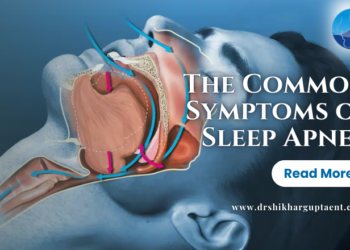
  • The Common Symptoms of Sleep Apnea

    The Common Symptoms of Sleep Apnea

    Introduction

    Sleep apnea is a serious sleep disorder that affects millions of people worldwide, yet many remain undiagnosed Best Sleep Apnea Treatment in Rohini This condition occurs when breathing repeatedly stops and starts during sleep, disrupting the natural sleep cycle and potentially leading to severe health complications. Understanding the symptoms is crucial for early detection and treatment.

    What is Sleep Apnea?

    Sleep apnea is characterized by intermittent breathing interruptions during sleep, lasting anywhere from a few seconds to over a minute. These episodes can occur hundreds of times throughout the night, preventing the body from receiving adequate oxygen and disrupting restorative sleep. The three main types include obstructive sleep apnea (the most common), central sleep apnea, and complex sleep apnea syndrome. According to the National Heart, Lung, and Blood Institute, sleep apnea affects how you breathe during sleep and can lead to serious health problems if untreated.

    Recognizing the Primary Symptoms

    Loud and Persistent Snoring

    One of the most recognizable symptoms of sleep apnea is chronic, loud snoring. While not everyone who snores has sleep apnea, snoring combined with other symptoms often indicates a problem. The snoring is typically loud enough to disturb others and may be punctuated by choking or gasping sounds. This occurs when the airway becomes partially blocked, causing vibrations in the throat tissues.

    Observed Breathing Pauses

    Perhaps the most alarming symptom is witnessed episodes where breathing stops during sleep. Family members or bed partners often notice these frightening pauses, which can last from seconds to over a minute. The person may appear to struggle for breath before suddenly gasping or snorting as breathing resumes. These episodes are a clear warning sign requiring immediate medical attention. Best Sleep Apnea Treatment in Rohini

    Excessive Daytime Sleepiness

    People with sleep apnea frequently experience overwhelming daytime fatigue, regardless of how many hours they spend in bed. This persistent exhaustion occurs because the repeated breathing interruptions prevent deep, restorative sleep. Individuals may find themselves dozing off during routine activities like watching television, reading, or even during conversations. In severe cases, this drowsiness can become dangerous, particularly when driving or operating machinery. Best Sleep Apnea Treatment in Rohini

    Morning Headaches

    Waking up with headaches is another common complaint among sleep apnea sufferers. These headaches typically occur due to oxygen deprivation and carbon dioxide buildup during the night. The pain is usually dull and affects both sides of the head, generally lasting for several hours after waking. Unlike typical tension headaches, these morning headaches tend to improve as the day progresses. Best Sleep Apnea Treatment in Rohini

    Difficulty Concentrating and Memory Problems

    The cognitive impact of sleep apnea can be significant. Chronic sleep disruption affects the brain’s ability to consolidate memories and maintain focus. People often report difficulty concentrating at work, forgetting important information, struggling with decision-making, and experiencing mental fog throughout the day. These cognitive symptoms can affect job performance and overall quality of life. Best Sleep Apnea Treatment in Rohini

    Irritability and Mood Changes

    Sleep deprivation caused by sleep apnea frequently manifests as mood disturbances. Individuals may become unusually irritable, short-tempered, or anxious. Depression is also common among those with untreated sleep apnea. The constant fatigue and oxygen deprivation affect neurotransmitter balance, contributing to these emotional changes. Relationships may suffer as personality changes become more pronounced. Best Sleep Apnea Treatment in Rohini

    Dry Mouth and Sore Throat Upon Waking

    Many people with sleep apnea wake up with an uncomfortably dry mouth or scratchy throat. This happens because sleep apnea often forces mouth breathing throughout the night, drying out the oral tissues. Some individuals also experience a choking sensation or feeling like they need to clear their throat repeatedly upon waking.

    Nighttime Sweating

    Excessive night sweats are frequently reported by sleep apnea patients. The body’s struggle to maintain oxygen levels and the stress response triggered by breathing interruptions can cause profuse sweating during sleep. This symptom is often overlooked but can be an important diagnostic clue. Best Sleep Apnea Treatment in Rohini

    Frequent Nighttime Urination

    Nocturia, or the need to urinate multiple times during the night, is another common symptom. The repeated arousals from sleep apnea episodes trigger hormonal changes that increase urine production. This symptom significantly disrupts sleep quality and contributes to daytime fatigue.

    The Importance of Seeking Treatment

    If you recognize multiple symptoms in yourself or a loved one, seeking the Best Sleep Apnea Treatment in Rohini is essential. Untreated sleep apnea increases the risk of serious health complications, including high blood pressure, heart disease, stroke, diabetes, and depression. Early intervention can dramatically improve the quality of life and prevent these dangerous outcomes. Best Sleep Apnea Treatment in Rohini

    Modern treatment options have evolved significantly, providing effective solutions for the majority of patients. The Best Sleep Apnea Treatment in Rohini encompasses various approaches, including CPAP therapy, oral appliances, lifestyle modifications, and, in some cases, surgical interventions. A sleep specialist can conduct proper diagnostic testing and recommend the most appropriate treatment plan.

    Risk Factors to Consider

    Certain factors increase sleep apnea risk, including excess weight, thick neck circumference, narrowed airway, being male, older age, family history, alcohol use, smoking, and nasal congestion. However, sleep apnea can affect anyone, including children, so symptoms should never be dismissed.

    Taking the Next Step

    Don’t ignore persistent symptoms or assume they’re just part of aging or stress. When searching for the Best Sleep Apnea Treatment in Rohini, look for experienced specialists who offer comprehensive diagnostic services and personalized treatment plans. A proper sleep study can confirm the diagnosis and determine the severity of the condition.

    Quality sleep is fundamental to overall health and well-being. If you’re experiencing symptoms of sleep apnea, consulting with healthcare professionals who provide the Best Sleep Apnea Treatment in Rohini can be life-changing. With proper diagnosis and treatment, most people experience significant improvement in symptoms, energy levels, and overall health within weeks of starting therapy.

    Remember, sleep apnea is a medical condition that requires professional attention. The symptoms won’t improve on their own, and the risks of leaving it untreated are too significant to ignore. Take control of your health today by seeking evaluation and treatment.

    Frequently Asked Questions

    Q1: Can sleep apnea go away on its own?
    Sleep apnea typically does not resolve without intervention. Treatment and lifestyle changes are usually necessary for improvement.

    Q2: Is snoring always a sign of sleep apnea?
    No, not all snoring indicates sleep apnea. However, loud snoring with gasping or pauses warrants medical evaluation.

    Q3: How is sleep apnea diagnosed?
    Sleep apnea is diagnosed through a sleep study (polysomnography) conducted at a sleep center or at home with portable monitoring devices.

    Q4: Can weight loss cure sleep apnea?
    Weight loss can significantly improve or even resolve sleep apnea in some overweight patients, though not everyone will experience complete resolution.

    Q5: Is sleep apnea dangerous if left untreated?
    Yes, untreated sleep apnea increases risks of heart disease, stroke, high blood pressure, diabetes, and accidents due to daytime sleepiness.

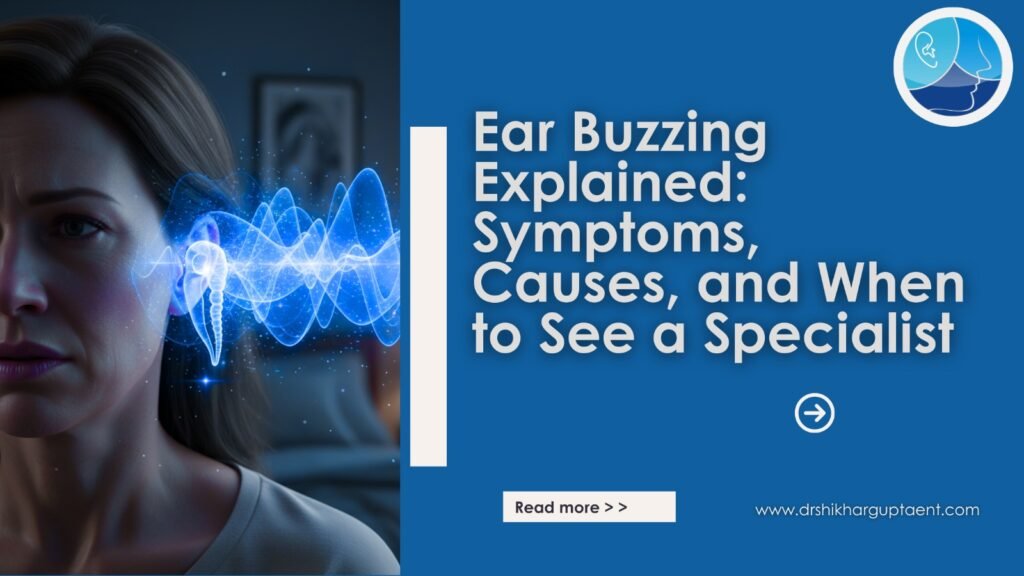
  • Ear Buzzing Explained: Symptoms, Causes, and When to See a Specialist

    Ear Buzzing Explained: Symptoms, Causes, and When to See a Specialist

    Hearing a persistent buzzing, humming, or ringing in one or both ears can be unsettling. For many people, this sensation—often described as ear buzzing—comes and goes. For others, it becomes a daily distraction. While ear buzzing is a common symptom, it is not a diagnosis. In healthcare, this sound is typically associated with tinnitus, a condition that affects millions worldwide.

    This blog breaks down what ear buzzing means, why it happens, and when it is important to seek medical care. Best ENT specialist in Rohini

    What Is Ear Buzzing?

    Ear buzzing is a type of tinnitus, a perception of sound when no external noise is present. The sound may differ from person to person and may be described as: Best ENT specialist in Rohini

    • Buzzing
    • Ringing
    • Humming
    • Hissing
    • Clicking
    • Whistling
    • Roaring
    • Pulsating or heartbeat-like sounds

    Tinnitus can occur in one ear (unilateral) or both ears (bilateral), and may be temporary or persistent.

    Common Symptoms Associated With Ear Buzzing

    While the buzzing sound is the most prominent symptom, individuals may also experience:

    • A feeling of fullness or pressure in the ear
    • Sensitivity to noise
    • Hearing loss or difficulty hearing clearly
    • Dizziness or balance issues
    • Headaches
    • Intermittent or constant sound perception

    Symptoms may worsen at night or in quiet environments, making sleep and concentration challenging for some. Best ENT specialist in Rohini

    What Causes Ear Buzzing?

    There are many reasons a person may develop tinnitus. Some causes are minor and temporary, while others require medical attention. Below are the most common:

    1. Exposure to Loud Noise

    Sudden or prolonged exposure to loud sounds—such as concerts, machinery, firearms, or headphones at high volume—can damage the inner ear’s hair cells. This is one of the leading causes of tinnitus.

    2. Earwax Blockage

    A buildup of earwax can block the ear canal and cause buzzing, fullness, or hearing changes. Once removed, symptoms often improve. Best ENT specialist in Rohini

    3. Age-Related Hearing Loss (Presbycusis)

    As we age, the delicate structures of the inner ear naturally decline. Tinnitus frequently accompanies age-related hearing loss. Best ENT specialist in Rohini

    4. Middle or Inner Ear Problems

    Conditions such as:

    • Ear infections
    • Fluid buildup
    • Eustachian tube dysfunction
    • Otosclerosis (abnormal bone growth in the ear)

    can lead to buzzing or ringing sensations. Best ENT specialist in Rohini

    5. Medication Side Effects

    Several medications are known to be “ototoxic,” meaning they can affect hearing. These include:

    • Certain antibiotics
    • High-dose aspirin
    • Chemotherapy drugs
    • Some diuretics
    • Anti-inflammatory medications

    If tinnitus begins after starting a medication, consult your healthcare provider. Best ENT specialist in Rohini

    6. Circulatory or Vascular Issues

    Pulsating buzzing or “whooshing” sounds may be caused by:

    • High blood pressure
    • Abnormal blood vessel structure
    • Anemia
    • Atherosclerosis
      This type is called pulsatile tinnitus and often requires medical evaluation.

    7. Stress, Anxiety, and Fatigue

    Stress can heighten the brain’s perception of tinnitus, making the buzzing sound more noticeable.

    8. Temporomandibular Joint (TMJ) Disorders

    Problems with the jaw joint can affect nearby ear structures, causing buzzing or other ear sensations.

    9. Head or Neck Injuries

    Trauma can impact nerves, hearing mechanisms, or blood flow to the ear.

    How Is Ear Buzzing Diagnosed?

    A healthcare provider may recommend:

    • A comprehensive medical history review
    • Physical examination of the ear
    • Hearing tests (audiometry)
    • Imaging studies (CT or MRI) if needed
    • Blood tests if vascular or metabolic causes are suspected

    The goal is to identify any underlying conditions and create an appropriate treatment plan.

    Treatment Options

    Treatment depends on the cause. Common approaches include: Best ENT specialist in Rohini

    Earwax Removal

    Professional cleaning or irrigation can resolve tinnitus due to blockage.

    Medication Adjustment

    If tinnitus is medication-related, a doctor may adjust dosage or switch medications.

    Management of Chronic Tinnitus

    For persistent tinnitus, healthcare providers may recommend:

    • Sound therapy (white noise machines, hearing aids with masking features)
    • Cognitive Behavioral Therapy (CBT) to reduce stress and improve coping
    • Hearing aids for those with hearing loss
    • Tinnitus retraining therapy (TRT)

    Treating Underlying Conditions

    Managing high blood pressure, infections, jaw disorders, or vascular issues can significantly improve symptoms. Best ENT specialist in Rohini

    When Should You See a Specialist?

    It is important to consult a healthcare professional if you experience:

    • Sudden buzzing accompanied by sudden hearing loss
    • Buzzing in only one ear that does not go away
    • Pulsating or heartbeat-like sounds in the ear
    • Ear buzzing after a head injury or trauma
    • Persistent buzzing lasting more than a few weeks
    • Buzzing associated with dizziness, vertigo, or balance issues
    • Severe anxiety or sleep disturbances due to tinnitus

    Early evaluation can help diagnose underlying conditions and improve long-term outcomes.

    Preventing Ear Buzzing

    While not all causes are preventable, you can reduce your risk by:

    • Protecting your ears from loud noise
    • Keeping headphone volume under 60%
    • Avoiding inserting objects into the ear canal
    • Managing stress through relaxation techniques
    • Maintaining healthy blood pressure
    • Attending regular hearing check-ups

    Final Thoughts

    Ear buzzing is a common symptom that can range from mildly annoying to significantly disruptive. Understanding its causes and knowing when to seek medical advice is crucial. If buzzing in your ears persists or interferes with daily life, a healthcare specialist—such as an audiologist or ENT physician—can help identify the cause and guide you toward effective treatment options. Best ENT specialist in Rohini

    FAQs

    1. What does it mean when I hear a buzzing sound in my ear?

    Hearing a buzzing sound—often called tinnitus—means you are perceiving noise without an external source. It can be caused by earwax, noise exposure, hearing loss, infections, or other underlying medical conditions. Best ENT specialist in Rohini

    2. Is ear buzzing permanent?

    Not always. Some cases are temporary, especially if caused by noise exposure or earwax buildup. Persistent or chronic tinnitus may require evaluation by an ENT specialist or audiologist.

    3. Should I worry about buzzing in only one ear?

    Buzzing in one ear (unilateral tinnitus) that does not improve should be checked by a specialist. In some cases, it may signal an underlying condition that needs medical attention.

    4. Can stress cause ear buzzing?

    Yes. Stress and anxiety can intensify tinnitus or make the perception of buzzing more noticeable. Managing stress can help reduce symptoms.

    5. What home remedies can help reduce ear buzzing?

    Simple steps like reducing caffeine, managing stress, avoiding loud environments, and using white noise at night may help. However, home remedies do not replace a medical evaluation if symptoms persist.

    Best ENT specialist in Rohini
  • Struggling to Breathe, Hear, or Speak? Your Comfort Shouldn’t Be Optional

    Struggling to Breathe, Hear, or Speak? Your Comfort Shouldn’t Be Optional

    Breathing, hearing, and speaking are basic functions most people never think twice about—until something goes wrong. When these essential abilities become difficult, they can affect every aspect of daily life: your comfort, your confidence, your sleep, your health, and even your emotional well-being.

    In healthcare, challenges involving the ear, nose, and throat (ENT) are among the most common reasons people seek medical attention. Yet many individuals ignore early signs, assuming the issue will “go away on its own.” Unfortunately, untreated ENT problems can worsen over time and lead to long-term complications. Best ENT Doctor in Rohini

    This blog breaks down the most frequent causes of breathing, hearing, and speaking problems, when to seek help, and how modern healthcare can restore your comfort and quality of life. Best ENT Doctor in Rohini

    Why These Symptoms Should Never Be Ignored

    Your ears, nose, and throat are connected through a delicate system that supports essential functions. When one area is affected, others often follow. Early evaluation is key because many ENT conditions are highly treatable, especially when diagnosed promptly. Best ENT Doctor in Rohini

    1. Difficulty Breathing: More Than Just a Stuffy Nose

    Breathing problems can range from mild congestion to severe obstruction. Common causes include:

    ✔ Chronic Sinusitis

    Inflammation of the sinus cavities can lead to:

    • Persistent congestion
    • Facial pressure
    • Postnasal drip
    • Reduced sense of smell

    Chronic sinusitis can last for months and often requires targeted medical therapy or minimally-invasive procedures. Best ENT Doctor in Rohini

    ✔ Deviated Nasal Septum

    A crooked or displaced septum can block airflow, causing:

    • One-sided nasal obstruction
    • Frequent sinus infections
    • Snoring or sleep issues

    Correcting a deviated septum significantly improves nasal breathing and overall comfort.

    ✔ Nasal Polyps

    These soft, painless growths inside the nose can obstruct airflow and lead to:

    • Constant congestion
    • Loss of smell
    • Repeated infections

    Treatment may include medication or advanced procedures like endoscopic sinus surgery.

    ✔ Allergies

    Year-round or seasonal allergies can cause:

    • Stuffy or runny nose
    • Sneezing
    • Itchy eyes and throat

    Allergy testing and management can dramatically improve day-to-day breathing. Best ENT Doctor in Rohini

    2. Trouble Hearing: A Silent Barrier to Communication

    Hearing issues often develop gradually, making them easy to overlook. However, early identification is essential. Best ENT Doctor in Rohini

    ✔ Ear Infections

    Fluid buildup behind the eardrum causes:

    • Pain
    • Temporary hearing loss
    • Pressure

    Recurrent infections may require further evaluation or treatment.

    ✔ Earwax Blockage

    Excess wax can lead to:

    • Muffled hearing
    • Ear discomfort
    • Tinnitus (ringing)

    Safe removal by a healthcare professional is recommended—never insert objects into the ear canal.

    ✔ Age-Related or Noise-Induced Hearing Loss

    Over time or with repeated loud noise exposure, the tiny hair cells in the inner ear become damaged. Signs include:

    • Difficulty understanding speech
    • Asking people to repeat themselves
    • Turning up the TV volume

    Audiological evaluation can determine the level of hearing loss and appropriate treatment options.

    3. Changes in Speech or Voice: A Signal From Your Body

    Your voice involves precise coordination of the throat, vocal cords, lungs, and mouth. Difficulty speaking is never “just a sore throat.” Best ENT Doctor in Rohini

    ✔ Chronic Hoarseness

    If hoarseness lasts longer than two weeks, it may be due to:

    • Vocal cord nodules or polyps
    • Acid reflux (LPR/GERD)
    • Smoking-related irritation
    • Vocal strain

    Professional evaluation ensures the cause is identified early. Best ENT Doctor in Rohini

    ✔ Throat or Tonsil Issues

    Enlarged tonsils or recurrent infections can cause:

    • Voice changes
    • Snoring or sleep apnea
    • Difficulty swallowing

    Some cases may require surgical intervention. Best ENT Doctor in Rohini

    Neurological or Structural Conditions

    In rare cases, nerve or muscle issues can affect speech. Early detection leads to better outcomes.

    4. Modern Treatments That Restore Comfort

    Healthcare professionals today use advanced diagnostic tools to identify ENT conditions with remarkable accuracy. Depending on the cause, treatment may include:

    • Medications: Anti-inflammatories, allergy medication, nasal sprays, antibiotics
    • In-office procedures: Polyp removal, nasal airway correction
    • Advanced imaging: Endoscopy, CT scans
    • Surgical solutions: Septoplasty, tonsillectomy, sinus surgery
    • Audiology services: Hearing tests and hearing aids
    • Speech therapy: For voice, swallowing, or speech disorders

    You do not have to live with discomfort—solutions exist, and they’re highly effective.

    When Should You See a Healthcare Professional?

    Seek medical evaluation if you experience: Best ENT Doctor in Rohini

    • Difficulty breathing through your nose
    • Persistent sinus infections
    • Hoarseness lasting longer than two weeks
    • Sudden or gradual hearing loss
    • Frequent ear pain or ringing
    • Chronic congestion or allergies
    • Difficulty speaking or swallowing

    Early intervention means easier treatment and faster recovery.

    Your Comfort Matters—Don’t Settle for Less

    Struggling to breathe, hear, or speak is not “normal,” and it should never be dismissed. You deserve to feel comfortable, confident, and healthy every day. If you’re experiencing any of these symptoms, seeking care can change your life for the better.

    Healthcare professionals are here to help you understand what’s happening in your body and guide you toward solutions that restore clarity, comfort, and quality of life.

    FAQs

    1. Why am I having trouble breathing through my nose?

    Nasal breathing issues can result from allergies, sinusitis, nasal polyps, or a deviated septum. An ENT specialist can perform an examination to determine the exact cause and recommend appropriate treatment.

    2. How do I know if my hearing loss is serious?

    If you notice muffled sounds, difficulty following conversations, or ringing in your ears, you may have hearing loss. A professional hearing evaluation can determine the severity and best treatment options.

    3. When should I worry about a hoarse voice?

    Hoarseness lasting more than two weeks should be evaluated by a healthcare provider. Persistent hoarseness may indicate vocal cord irritation, reflux, or other conditions requiring treatment.

    4. Are sinus infections always treated with antibiotics?

    Not always. Many sinus infections are caused by inflammation, allergies, or structural issues. Treatment may involve nasal sprays, antihistamines, or procedures rather than antibiotics.

    5. Can earwax cause hearing loss?

    Yes. Excess earwax can block the ear canal and temporarily reduce hearing. It’s important to have earwax removed safely by a professional rather than using cotton swabs or home tools.

  • Understanding Diagnostic Nasal Endoscopy: A Key Tool for Nasal and Sinus Health

    Understanding Diagnostic Nasal Endoscopy: A Key Tool for Nasal and Sinus Health

    When it comes to diagnosing conditions related to the nose, sinuses, and upper respiratory tract, diagnostic nasal endoscopy is one of the most effective tools available to healthcare professionals. This minimally invasive procedure allows doctors to gain a clear, real-time view of the inside of the nasal passages and sinuses, aiding in the diagnosis and treatment of various issues, from chronic sinusitis to nasal polyps and beyond.

    What is Diagnostic Nasal Endoscopy?

    Diagnostic nasal endoscopy is a procedure that uses a thin, flexible tube called an endoscope, which is equipped with a light and camera. The endoscope is inserted through the nostrils to allow doctors to examine the nasal cavity, sinuses, and the upper part of the throat (pharynx) in great detail. This examination provides clear visuals of areas that may be difficult to assess through conventional imaging techniques like X-rays or CT scans.

    Unlike traditional nasal examinations, which are often limited to external inspection or basic imaging, nasal endoscopy enables doctors to view the internal structures in real-time. It is particularly beneficial for evaluating conditions like nasal blockages, sinus infections, structural abnormalities, and nasal growths, such as polyps or tumors.

    Why is Nasal Endoscopy Important?

    A key reason diagnostic nasal endoscopy is so valuable is because it allows doctors to directly visualize what’s happening inside the nasal and sinus passages. Conditions such as chronic sinusitis, nasal polyps, deviated septums, and even tumors can be difficult to diagnose based solely on symptoms or imaging results. Nasal endoscopy provides a closer, more detailed view, which can help identify the underlying causes of symptoms, especially in cases where a patient has not responded to initial treatments.

    In many cases, nasal endoscopy can also be used to assist with procedures like biopsy, the removal of polyps, or the drainage of sinuses, further enhancing its diagnostic and therapeutic value.

    Conditions Diagnosed with Nasal Endoscopy

    Some common conditions that can be identified or better understood through diagnostic nasal endoscopy include:

    1. Chronic Sinusitis: Persistent inflammation of the sinuses can cause pain, nasal congestion, and difficulty breathing. Endoscopy helps assess the extent of inflammation and potential blockages.
    2. Nasal Polyps: These benign growths can obstruct the airways, leading to symptoms such as nasal congestion, loss of smell, and breathing difficulty. Endoscopy allows for accurate visualization of the polyps and can help guide treatment.
    3. Deviated Septum: A crooked or displaced septum (the cartilage and bone dividing the nostrils) can cause breathing problems and chronic nasal congestion. Endoscopy can confirm a deviation and help plan treatment options.
    4. Sinus Tumors: Both benign and malignant tumors may cause nasal symptoms, including bleeding, pain, or obstruction. Endoscopy offers a direct view of the tumor’s size and location.
    5. Infections and Allergies: Chronic or recurrent infections in the sinuses and nose can be diagnosed more accurately through nasal endoscopy, which can help determine if there is an underlying structural issue contributing to the problem.

    How is a Diagnostic Nasal Endoscopy Performed?

    The procedure itself is relatively simple and usually performed in a doctor’s office or clinic. Here’s what patients can expect:

    1. Preparation: Before the procedure, the patient may be asked to sit upright in a chair. A topical nasal decongestant or anesthetic may be applied to the nasal passages to minimize discomfort during the examination.
    2. Insertion of the Endoscope: The doctor gently inserts the endoscope into one of the nostrils, moving it through the nasal passages while observing the images on a screen.
    3. Examination: The doctor will carefully examine the inside of the nose, sinuses, and surrounding areas. They may move the scope around to get a full view of any areas of concern.
    4. Duration: The entire procedure typically takes 5-10 minutes, and most patients experience minimal discomfort.
    5. Aftercare: Since nasal endoscopy is non-invasive, there is usually no recovery time needed. Some patients may experience mild irritation or a slight feeling of congestion, but this typically resolves on its own within a few hours.

    Advantages of Nasal Endoscopy

    • Minimal Discomfort: Unlike traditional surgical procedures, diagnostic nasal endoscopy is relatively comfortable and non-invasive. The procedure usually requires only a topical anesthetic to numb the area.
    • Quick and Convenient: Diagnostic nasal endoscopy can be done in a doctor’s office, often eliminating the need for lengthy hospital visits or recovery time.
    • Accurate Diagnosis: This procedure offers a clearer, real-time visualization of nasal and sinus conditions, helping doctors make more accurate diagnoses and determine appropriate treatment plans.
    • Guides Treatment: In many cases, the information gathered from an endoscopic examination can help guide treatment decisions, such as prescribing medications, recommending surgery, or suggesting lifestyle changes to improve sinus health.

    Risks and Considerations

    While diagnostic nasal endoscopy is generally safe, like any medical procedure, it does carry some risks, although rare. These risks can include:

    • Nasal bleeding: Minor bleeding or discomfort may occur after the procedure.
    • Infection: There is a small risk of infection, especially if any tissue or growths are biopsied.
    • Discomfort: Some patients may feel slight discomfort or a tickling sensation during the procedure, but it is generally tolerable.

    FAQs about Diagnostic Nasal Endoscopy

    1. Is nasal endoscopy painful?
      No, nasal endoscopy is typically painless. A topical anesthetic or decongestant is applied to the nasal passages before the procedure to minimize any discomfort.
    2. How long does the procedure take?
      The procedure usually lasts about 5-10 minutes. It is quick and typically performed in an outpatient setting.
    3. Will I need to prepare for the procedure?
      Preparation is minimal, but you may be asked to avoid eating or drinking for a short period beforehand. Your doctor will provide specific instructions.
    4. Can nasal endoscopy diagnose sinus infections?
      Yes, nasal endoscopy is an effective tool for diagnosing sinus infections. It can identify blockages, inflammation, and other conditions that may be contributing to symptoms.
    5. Is there any recovery time after the procedure?
      There is usually no recovery time required. Most patients can resume normal activities immediately following the procedure.
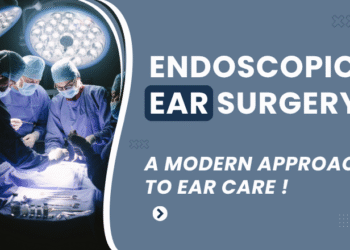
  • Endoscopic Ear Surgery: A Modern Approach to Ear Care

    Endoscopic Ear Surgery: A Modern Approach to Ear Care

    Ear conditions, ranging from chronic infections to hearing loss, often require surgical treatment when medications or non-invasive therapies fail. Traditionally, ear surgeries were performed using microscopes and larger incisions. However, with advances in technology, Endoscopic Ear Surgery (EES) has emerged as a minimally invasive and highly effective alternative.

    In this blog, we’ll explore what endoscopic ear surgery is, how it works, who it’s for, and why it’s becoming a preferred technique in modern ENT practice.


    What is Endoscopic Ear Surgery?

    Endoscopic Ear Surgery is a minimally invasive procedure that uses a thin, rigid tube called an endoscope, equipped with a camera and light, to access and treat conditions inside the ear. Unlike traditional microscopic ear surgery, which often requires a large incision behind the ear, endoscopic surgery is performed through the ear canal, resulting in no visible scars and faster recovery.

    This approach provides high-definition, wide-angle views of the middle ear structures, which helps surgeons operate more precisely, especially in hard-to-reach areas.


    Common Conditions Treated with Endoscopic Ear Surgery

    Endoscopic techniques are being increasingly used for a variety of ear problems, such as:

    • Chronic Otitis Media (middle ear infections)
    • Cholesteatoma (abnormal skin growth in the middle ear)
    • Ossicular chain reconstruction (repairing hearing bones)
    • Tympanoplasty (repair of the eardrum)
    • Stapedotomy (for otosclerosis and hearing restoration)

    Advantages of Endoscopic Ear Surgery

    There are several key benefits of endoscopic ear surgery over the traditional microscopic approach:

    1. Minimally Invasive

    • No large incision behind the ear
    • Performed through the natural ear canal

    2. Better Visualization

    • Endoscopes offer a 360-degree view of the middle ear
    • Allows better access to hidden or narrow spaces

    3. Faster Recovery

    • Less tissue disruption leads to quicker healing
    • Reduced post-operative pain and swelling

    4. Aesthetic Advantage

    • No external scars or visible stitches

    5. Improved Precision

    • High-definition images allow more accurate treatment, reducing the risk of complications

    How is the Procedure Performed?

    Endoscopic ear surgery is usually performed under general anesthesia. Here’s a brief overview of the process:

    1. Insertion of Endoscope: A small endoscope is gently inserted into the ear canal.
    2. Real-Time Imaging: The surgeon views the internal structures on a monitor.
    3. Surgical Intervention: Using fine instruments, the necessary repair or removal is performed.
    4. Closure: Since the surgery is done through the ear canal, minimal or no sutures are needed.

    Most procedures are completed within 1–2 hours, and many patients can return home the same day.


    Who is a Candidate for Endoscopic Ear Surgery?

    You may be a good candidate for endoscopic ear surgery if you:

    • Suffer from chronic or recurrent ear infections
    • Have a perforated eardrum
    • Are diagnosed with cholesteatoma
    • Need surgery to improve hearing loss due to ossicle damage
    • Prefer a minimally invasive procedure with no visible scarring

    Your ENT surgeon will evaluate your condition and determine whether an endoscopic or microscopic approach is more appropriate.


    Recovery and Aftercare

    After surgery, patients typically experience:

    • Mild discomfort or ear fullness for a few days
    • Temporary hearing changes as the ear heals
    • Need for follow-up visits to monitor healing and remove packing (if used)

    Most people can return to work or school within 5–7 days, although complete healing may take a few weeks.

    Post-operative care may include:

    • Avoiding water entry into the ear
    • Refraining from air travel until advised
    • Using prescribed ear drops and medications
    • Following up with regular ENT check-ups

    FAQs About Endoscopic Ear Surgery

    1. Is endoscopic ear surgery painful?
    No, the procedure is performed under anesthesia, so you won’t feel pain during the surgery. Post-operative pain is generally mild and manageable with medications.

    2. How long does it take to recover from endoscopic ear surgery?
    Initial recovery usually takes about a week, but complete healing of the ear can take up to 4–6 weeks depending on the procedure.

    3. Is endoscopic surgery better than traditional ear surgery?
    For many cases, yes. It offers better visualization, minimal scarring, and faster recovery. However, some complex cases may still require traditional approaches.

    4. Are there any risks or complications?
    As with any surgery, risks include infection, bleeding, or hearing changes. However, endoscopic techniques tend to reduce these risks due to better precision and minimal tissue damage.

    5. Can children undergo endoscopic ear surgery?
    Yes, endoscopic ear surgery is safe for children, especially for conditions like chronic ear infections or eardrum repair. Your ENT specialist will determine the best option based on the child’s needs.

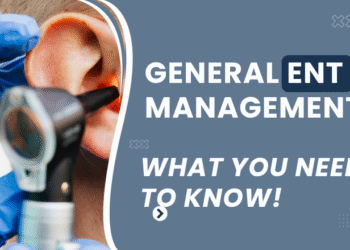
  • General ENT Management: What You Need to Know

    General ENT Management: What You Need to Know

    Ear, Nose, and Throat (ENT) conditions are some of the most common health concerns affecting people of all ages. From a simple sore throat to chronic sinus infections or hearing loss, ENT issues can significantly impact quality of life. Proper management and timely care can prevent complications and ensure faster recovery.

    This blog explores the basics of general ENT management, common conditions, when to see a specialist, and how to maintain ENT health.


    What is ENT?

    ENT stands for Ear, Nose, and Throat, and is also known as Otolaryngology. This branch of medicine focuses on the diagnosis and treatment of disorders affecting these areas, as well as related structures of the head and neck.

    ENT specialists, or otolaryngologists, manage a wide range of conditions, including:

    • Ear problems: Hearing loss, ear infections, balance disorders, tinnitus (ringing in the ears)
    • Nose problems: Sinusitis, nasal congestion, allergies, polyps, smell disorders
    • Throat problems: Sore throat, tonsillitis, voice issues, swallowing difficulties
    • Head and neck: Thyroid disorders, neck masses, salivary gland issues, and some cancers

    Common ENT Conditions & Their Management

    1. Ear Infections

    Common in children but can affect adults too. Symptoms include ear pain, fluid drainage, and temporary hearing loss. Treatment often includes antibiotics or ear drops, and in recurrent cases, surgical insertion of ear tubes.

    2. Sinusitis

    Caused by inflammation or infection of the sinuses. Symptoms include facial pain, congestion, and headache. Management ranges from nasal sprays and antihistamines to sinus surgery in chronic cases.

    3. Tonsillitis and Sore Throat

    Often viral but can be bacterial (like strep throat). Management includes rest, fluids, and antibiotics if bacterial. Recurrent tonsillitis may require surgical removal (tonsillectomy).

    4. Hearing Loss

    Can be due to aging, infection, wax buildup, or noise exposure. Management includes hearing aids, ear cleaning, or surgical options depending on the cause.

    5. Allergic Rhinitis

    Triggered by allergens like pollen or dust. Symptoms include sneezing, runny nose, and itchy eyes. Treatment includes antihistamines, nasal steroids, and avoiding triggers.


    When to See an ENT Specialist

    You should consult an ENT specialist if you experience:

    • Persistent ear pain or hearing issues
    • Frequent sinus infections or nasal blockage
    • Chronic sore throat or hoarseness lasting more than 2 weeks
    • Difficulty swallowing or breathing
    • Snoring or sleep apnea symptoms
    • Neck lumps or swelling

    Early diagnosis helps prevent complications and improves outcomes, especially for issues like hearing loss or head and neck cancers.


    General ENT Care Tips

    To maintain optimal ENT health, consider the following:

    • Keep ears clean but avoid inserting cotton buds or sharp objects
    • Stay hydrated to keep mucous membranes moist
    • Use a humidifier in dry environments
    • Avoid loud noises and use ear protection when needed
    • Practice good hand hygiene to prevent infections
    • Manage allergies with the help of a specialist
    • Avoid smoking, which irritates the airways and increases ENT problems

    Importance of Regular Check-ups

    Some ENT issues develop gradually and may go unnoticed until they become severe. Regular check-ups with an ENT specialist are especially important for individuals with:

    • History of ear or sinus infections
    • Allergies or asthma
    • Exposure to loud environments
    • Family history of ENT-related cancers

    Early intervention can save you from chronic discomfort and unnecessary procedures.


    FAQs on General ENT Management

    1. How can I tell if my child needs to see an ENT doctor?
    If your child has frequent ear infections, speech delays, trouble hearing, snoring, or enlarged tonsils, it’s a good idea to consult an ENT specialist.

    2. Are ENT issues always treated with surgery?
    No. Many ENT conditions are managed with medications, lifestyle changes, or minor procedures. Surgery is typically reserved for chronic or severe cases.

    3. Can allergies cause ENT problems?
    Yes. Allergies often affect the nose and sinuses, leading to congestion, post-nasal drip, and sinus infections. ENT doctors often work closely with allergy specialists for comprehensive care.

    4. How can I prevent ear infections?
    Practice good hygiene, avoid smoke exposure, and ensure proper ear care. In children, breastfeeding and avoiding bottle-feeding while lying down may help reduce the risk.

    5. Is hoarseness a serious issue?
    Temporary hoarseness from a cold is usually harmless. However, if it lasts more than two weeks, especially without other cold symptoms, it should be evaluated by an ENT specialist.