Category: Uncategorized

  • How Endoscopic E.N.T Procedures Are Making Surgeries Safer and Faster Best ENT Doctor in Rohini

    How Endoscopic E.N.T Procedures Are Making Surgeries Safer and Faster Best ENT Doctor in Rohini

    Introduction: A New Era in E.N.T Surgery

    E.N.T (Ear, Nose, and Throat) problems can affect breathing, hearing, speaking, and overall quality of life. In the past, many E.N.T surgeries required large incisions, longer hospital stays, and extended recovery periods. Today, thanks to endoscopic technology, procedures have become safer, more precise, and less invasive.Best ENT Doctor in Rohini

    An experienced Best E.N.T Doctor in Rohini. now uses advanced endoscopic tools to diagnose and treat conditions with minimal discomfort and faster healing, helping patients return to their normal lives sooner.

    What Are Endoscopic E.N.T Procedures?

    Endoscopic E.N.T procedures use a thin, flexible tube called an endoscope. This instrument has a tiny camera and light attached, allowing the doctor to see inside the nose, sinuses, throat, or ear clearly on a screen.

    Unlike traditional surgery, endoscopy does not require large external cuts. Instead, the doctor can access the affected area through natural openings such as the nostrils or ear canal.

    This approach allows the Best ENT Doctor in Rohini to perform surgeries with greater accuracy and minimal damage to surrounding tissues.

    Conditions Commonly Treated with Endoscopic E.N.T Procedures

    Endoscopic procedures are widely used to treat many common and complex conditions, including:

    • Chronic sinusitis
    • Nasal polyps
    • Deviated nasal septum (DNS)
    • Blocked sinuses
    • Recurrent throat infections
    • Voice disorders
    • Certain ear conditions

    By using endoscopy, the Best E.N.T Doctor in Rohini. can identify the root cause of the problem and treat it effectively without unnecessary trauma.

    Why Endoscopic Procedures Are Safer

    1. Better Visualization

    The high-definition camera provides a magnified view of the affected area. This allows precise treatment while protecting healthy tissues.Best ENT Doctor in Rohini

    2. Minimal Bleeding

    Since there are no large cuts, blood loss is significantly reduced.

    3. Lower Risk of Complications

    Endoscopic surgery minimizes damage to surrounding structures, reducing complications and improving outcomes.

    This is why many patients trust the Best E.N.T Doctor in Rohini. for advanced and safe surgical care.

    Faster Recovery and Less Pain

    One of the biggest advantages of endoscopic procedures is faster recovery. Compared to traditional surgery, patients experience:

    • Less pain
    • Minimal swelling
    • Shorter hospital stays
    • Faster return to daily activities

    Many patients can go home the same day or within 24 hours. With proper care and guidance from the Best E.N.T Doctor in Rohini, recovery becomes smooth and comfortable. Best ENT Doctor in Rohini

    Improved Accuracy and Long-Term Results

    Endoscopic surgery allows doctors to target the exact source of the problem. This improves treatment effectiveness and reduces the chances of recurrence.

    For example, in sinus surgery, the doctor can precisely remove blockages and restore normal airflow without affecting healthy tissue. This leads to long-lasting relief and better breathing. Best ENT Doctor in Rohini

    Enhanced Patient Comfort and Confidence

    Modern endoscopic procedures are designed with patient comfort in mind. Smaller instruments, precise techniques, and better anesthesia methods ensure a more comfortable experience. Best ENT Doctor in Rohini

    Patients often feel less anxious knowing that the procedure is minimally invasive and recovery is faster. Consulting the Best E.N.T Doctor in Rohini. ensures proper evaluation, treatment planning, and post-surgery care.

    When Should You Consider Endoscopic E.N.T Surgery?

    You may need endoscopic treatment if you experience:

    • Chronic sinus infections
    • Persistent nasal blockage
    • Frequent throat infections
    • Breathing difficulty through the nose
    • Recurrent ear problems

    Early diagnosis and treatment can prevent complications and improve quality of life.Best ENT Doctor in Rohini

    The Future of E.N.T Care

    Endoscopic technology continues to evolve, making surgeries even safer and more effective. With advanced imaging and improved instruments, doctors can treat complex conditions with greater confidence and precision.

    Choosing the Best E.N.T Doctor in Rohini. ensures access to modern techniques, accurate diagnosis, and personalized care tailored to your needs.

    Conclusion

    Endoscopic E.N.T procedures have revolutionized the way ear, nose, and throat conditions are treated. They offer safer surgeries, faster recovery, less pain, and better results compared to traditional methods.

    If you are experiencing persistent E.N.T problems, consult the Best E.N.T Doctor in Rohini. can help you receive advanced treatment and regain your comfort, confidence, and quality of life.

    FAQs

    1. Are endoscopic E.N.T surgeries painful?
    No, they are minimally invasive and cause less pain than traditional surgery.Best ENT Doctor in Rohini

    2. How long does recovery take?
    Most patients recover within a few days to two weeks.

    3. Is hospitalization required?
    Many endoscopic procedures are done as day-care surgeries.

    4. Is endoscopic sinus surgery safe?
    Yes, it is very safe when performed by the Best E.N.T Doctor in Rohini.

    5. When should I see an E.N.T specialist?
    If symptoms like sinus blockage, ear pain, or throat issues persist for weeks.
  • Minimally Invasive ENT Surgery: Faster Recovery, Better Results, best ENT surgeon in Rohini

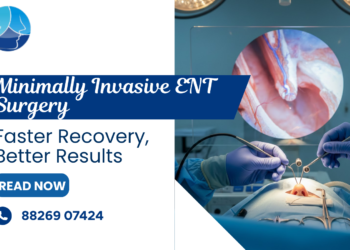
    Minimally Invasive ENT Surgery: Faster Recovery, Better Results, best ENT surgeon in Rohini

    Ear, Nose, and Throat (ENT) problems can significantly affect daily life—from constant sinus infections and breathing difficulties to hearing loss and throat discomfort. Fortunately, modern medicine has evolved dramatically. Minimally invasive ENT surgery is transforming patient care by offering safer procedures, faster healing, and more precise results. If you are consulting the best ENT surgeon in Rohini, understanding these advanced techniques can help you make informed treatment decisions.

    What Is Minimally Invasive ENT Surgery?

    Minimally invasive ENT surgery involves performing procedures using advanced tools such as endoscopes, microscopes, and laser technology through natural openings like the nose or ear canal. Unlike traditional surgery, these techniques avoid large external cuts. best ENT surgeon in Rohini

    Key features include:

    Patients visiting clinics in Rohini often benefit from these modern approaches when treated by the best ENT surgeon in Rohini.

    Common Types of Minimally Invasive ENT Surgeries

    1. Endoscopic Sinus Surgery

    This procedure treats chronic sinusitis, nasal polyps, and blocked sinuses. A thin endoscope is inserted through the nose, allowing surgeons to remove blockages without external cuts.

    Benefits:

    • Improved breathing
    • Reduced sinus infections
    • No visible scars

    2. Endoscopic Ear Surgery

    Used for repairing eardrums, removing infections, or treating hearing problems, this approach avoids large incisions behind the ear.

    Benefits:

    • Less pain
    • Faster hearing recovery
    • Minimal scarring

    3. Microlaryngeal (Voice Box) Surgery

    This surgery treats vocal cord nodules, polyps, and voice disorders using microscopes and specialized tools. best ENT surgeon in Rohini

    Benefits:

    • Preserves voice quality
    • Quick recovery
    • Highly precise treatment

    4. Minimally Invasive Septoplasty

    This procedure corrects a deviated nasal septum to improve breathing and reduce snoring.

    Patients consulting the best ENT surgeon in Rohini often experience significant improvement in sleep and breathing after this procedure.

    Major Benefits of Minimally Invasive ENT Surgery

    1. Faster Recovery Time

    Traditional surgeries may take weeks to heal, but minimally invasive procedures often allow patients to return to normal activities within days. best ENT surgeon in Rohini

    2. Less Pain and Discomfort

    Smaller incisions mean less trauma to surrounding tissues, resulting in reduced pain.

    3. Minimal Bleeding

    Advanced tools allow surgeons to work precisely, minimizing blood loss.

    4. No Visible Scars

    Since procedures are performed through natural openings, there are usually no external scars.

    5. Better Accuracy and Results

    Modern imaging and endoscopic technology help the best ENT surgeon in Rohini treat the exact problem area without affecting healthy tissues.

    Conditions Treated with Minimally Invasive ENT Surgery

    These procedures effectively treat many ENT problems, including:

    • Chronic sinusitis
    • Nasal polyps
    • Deviated septum
    • Tonsil problems
    • Ear infections
    • Hearing loss
    • Voice disorders
    • Sleep apnea

    If symptoms persist despite medication, the best ENT surgeon in Rohini may recommend minimally invasive surgery for long-term relief.

    What to Expect During Recovery

    Recovery is generally smooth and quick. Most patients experience:

    • Mild discomfort for a few days
    • Minimal swelling
    • Quick return to work
    • Improved breathing, hearing, or voice

    Following your doctor’s instructions is essential. The best ENT surgeon in Rohini will guide you on medication, cleaning, and follow-up care to ensure optimal healing.

    Is Minimally Invasive ENT Surgery Safe?

    Yes. These procedures are considered very safe when performed by experienced specialists. Risks are lower compared to traditional surgery, and complications are rare.

    Choosing the best ENT surgeon in Rohini ensures proper diagnosis, precise surgery, and safe recovery.

    How to Know If You Need Minimally Invasive ENT Surgery

    You may be a candidate if you experience:

    • Frequent sinus infections
    • Long-term nasal blockage
    • Hearing difficulties
    • Chronic throat or voice problems
    • Poor response to medication

    Early consultation with the best ENT surgeon in Rohini can prevent complications and improve the quality of life.

    Conclusion

    Minimally invasive ENT surgery has revolutionized how ear, nose, and throat conditions are treated. With smaller incisions, faster recovery, and excellent outcomes, patients can return to normal life quickly and comfortably. Consulting the best ENT surgeon in Rohini ensures access to advanced technology, expert care, and personalized treatment.

    If you are struggling with persistent ENT issues, modern minimally invasive techniques may offer the safe and effective solution you need.

    FAQs

    1. Is minimally invasive ENT surgery painful?
    No, pain is minimal and manageable with medication best ENT surgeon in Rohini.

    2. How long is the recovery?
    Most patients recover within a few days to one week.

    3. Are there visible scars?
    No, procedures are done through natural openings.

    4. Is the surgery safe?
    Yes, it is very safe when performed by experienced surgeons.

    5. When can I return to work?
    Usually within 3–7 days, depending on the procedure.

  • Mouth Breathing: The Silent Thief Stealing Your Sleep & Energy

    Mouth Breathing: The Silent Thief Stealing Your Sleep & Energy

    Best ENT specialist in Rohini breathing through the nose is ignored, the mouth quietly takes over — and the body often pays the price. Mouth breathing may seem harmless, but over time it can affect sleep quality, energy levels, oral health, and even overall well-being. Understanding why it happens and how to correct it is the first step toward healthier breathing and better daily performance.

    Why mouth Breathing Matters

    The mouth is designed to filter, humidify, and warm the air before it reaches the lungs. It also supports proper oxygen exchange and helps maintain balanced airflow. When you breathe through your mouth instead, this natural filtration system is bypassed, which can lead to several health issues Best ENT specialist in Rohini.

    Mouth breathing dries out the mouth and throat, reduces oxygen efficiency, and can disturb sleep cycles .Best ENT specialist in Rohini Over time, it may contribute to fatigue, poor concentration, and frequent throat irritation.

    Common Causes of Mouth Breathing

    Many people don’t realize they are mouth breathers, especially during sleep. Some common causes include:

    • Chronic nasal congestion or allergies
    • Deviated nasal septum
    • Enlarged tonsils or adenoids
    • Sinus infections
    • Nasal polyps
    • Habitual breathing patterns

    If these issues persist, consulting the Best ENT specialist in Rohini can help identify the underlying cause and provide effective treatment.

    Signs You Might Be a Mouth Breather

    Mouth breathing often shows subtle signs that are easy to overlook. Watch for:

    • Dry mouth or sore throat in the morning
    • Snoring or restless sleep
    • Bad breath
    • Frequent fatigue or low energy
    • Difficulty concentrating
    • Nasal blockage or congestion

    Snoring is not always a sign of deep sleep — sometimes it’s the body’s way of signaling airway obstruction.

    How Mouth Breathing Affects Your Health

    1. Poor Sleep Quality

    Mouth breathing can disrupt sleep patterns and reduce oxygen levels, leading to daytime tiredness and irritability.

    2. Reduced Energy Levels

    When oxygen flow is not optimal, the body works harder, leaving you feeling drained.

    3. Oral Health Problems

    Dry mouth increases the risk of cavities, gum disease, and bad breath because saliva production decreases.

    4. Increased Risk of Infections

    The nose filters bacteria and pollutants. Mouth breathing allows these irritants to enter directly into the respiratory tract.

    5. Impact on Facial Development in Children

    In children, chronic mouth breathing can affect jaw alignment and facial growth, making early evaluation important.

    Seeking guidance from the Best ENT specialist in Rohini can help prevent long-term complications and improve breathing patterns.

    The Link Between Blocked Nose and Daily Life

    A blocked nose doesn’t just affect breathing — it reshapes your nights and your mornings.Best ENT specialist in Rohini can help Poor sleep can lead to mood swings, headaches, and reduced productivity. Many people don’t connect their daytime fatigue with nighttime breathing issues, which is why proper diagnosis is essential.Health Effects You Shouldn’t Ignore

    Over time, mouth breathing can affect both adults and children. It may lead to disturbed sleep, low energy, frequent throat infections, bad breath, and even changes in facial development in growing children. Best ENT specialist in Rohini Many people notice they wake up feeling tired despite sleeping for enough hours — a classic sign of poor breathing during sleep.

    When to See a Specialist

    If you or your child frequently breathe through the mouth, snore loudly, or wake up feeling unrefreshed, it’s important to seek expert evaluation. Consulting the Best ENT specialist in Rohini can help diagnose the underlying cause and provide personalized treatment options to restore healthy breathing patterns.

    Treatment Options

    Depending on the cause, treatment may include allergy management, nasal sprays, lifestyle changes, breathing exercises, or minor surgical procedures to improve airflow. Early treatment not only improves sleep but also boosts energy, focus, and overall wellbeing.

    Breathe Better, Live Better

    Healthy breathing is the foundation of good sleep and sustained energy. Don’t ignore the subtle signs your body is giving you. With timely care and guidance from the Best ENT specialist in Rohini, you can reclaim restful nights and wake up feeling refreshed every day.

    Treatment Options for Mouth Breathing

    Treatment depends on the underlying cause. Common approaches include:

    • Allergy management and medications
    • Nasal sprays or decongestants
    • Treatment for sinus infections
    • Corrective procedures for structural issues
    • Lifestyle changes and breathing exercises

    An evaluation by the Best ENT specialist in Rohini ensures a personalized treatment plan tailored to your condition.

    Tips to Encourage Healthy Nose Breathing

    • Stay hydrated to keep nasal passages moist
    • Use a humidifier if the air is dry
    • Practice nasal breathing exercises
    • Manage allergies proactively
    • Maintain good sleep hygiene
    • Avoid smoking and pollutants

    Small lifestyle adjustments can make a big difference in restoring natural breathing patterns.

    Conclusion

    Mouth breathing is more than just a habit — it’s a silent health thief that can affect sleep, energy, and overall wellness. When the nose is blocked, the body struggles quietly, often leading to long-term health concerns if left untreated.

    The good news is that with proper diagnosis and care, mouth breathing can be corrected. If you notice persistent symptoms like snoring, dry mouth, or nasal congestion, seeking help from the Best ENT specialist in Rohini can help you breathe better, sleep deeper, and feel more energized every day.

    Healing often begins with something as simple — and powerful — as a clear airway.

    FAQs

    1. Is mouth breathing harmful for adults?

     Yes, chronic mouth breathing can cause dry mouth, poor sleep quality, fatigue, and increased risk of infections.

    2. Can mouth breathing be cured?

     In most cases, yes. Treatment depends on the cause, such as allergies, sinus issues, or structural problems.

    3. How do I know if I breathe through my mouth at night?

     Common signs include snoring, waking with a dry mouth, sore throat, or feeling tired despite enough sleep.

    4. Does mouth breathing affect children differently?

     Yes, it can impact facial development, dental alignment, and sleep quality, so early evaluation is important.

    5. When should I see an ENT specialist?

    If you have persistent nasal blockage, snoring, or breathing difficulties, consult a Best ENT specialist in Rohini for proper diagnosis and treatment.

  • Is Your Screen Time Harming Your Ears? The Silent Impact of Digital Life

    Is Your Screen Time Harming Your Ears? The Silent Impact of Digital Life

    Is Your Screen Time Harming Your Ears While most conversations around excessive screen time focus on eye strain, sleep disorders, or posture problems, ear health often gets ignored. What many people don’t realize is that prolonged digital exposure can silently harm your ears, sometimes without obvious early symptoms consult the Best Ear, nose, and throat clinic in Rohini.

    How Screen Time Affects Your Ear Health

    Excessive Is Your Screen Time Harming Your Ears has become a part of daily life, but its impact on ear health often goes unnoticed. Prolonged use of earphones, headphones, and high-volume digital audio can strain the ears and gradually affect hearing. Many people ignore early symptoms like ear discomfort, ringing sounds, or reduced clarity, assuming they are temporary. Understanding how digital habits influence your ears and taking timely preventive steps can help protect your hearing and maintain long-term ear health.

    1. Prolonged Headphone and Earphone Use

    With remote work, online classes, gaming, and binge-watching, earphones have become constant companions. Listening to audio at high volumes for long durations can damage the delicate hair cells in the inner ear. Once damaged, these cells do not regenerate, leading to permanent hearing loss.

    2. Risk of Noise-Induced Hearing Loss

    Many digital devices can produce sound levels above safe limits. Listening above 60% volume for more than 60 minutes at a stretch significantly increases the risk of noise-induced hearing loss Is Your Screen Time Harming Your Ears. This damage often happens gradually, making it easy to miss in the early stages.

    3. Digital Lifestyle and Tinnitus

    Do you experience ringing, buzzing, or humming sounds in your ears after long screen sessions? This could be tinnitus, a common but often overlooked condition linked to prolonged headphone use and constant exposure is Your Screen Time Harming Your Ears Is Your Screen Time Harming Your Ears.

    4. Ear Fatigue and Sensitivity

    Continuous exposure to digital audio can cause ear fatigue, making everyday sounds feel uncomfortable or irritating. Over time, this sensitivity may affect concentration, sleep quality, and overall mental well-being.

    5. Reduced Awareness of Early Warning Signs

    Excessive screen time often means being immersed in digital content, which can mask early symptoms like muffled hearing, difficulty understanding speech, or frequent requests to repeat conversations. Best Ear, nose, and throat clinic in Rohini.

    Warning Signs Your Screen Habits May Be Affecting Your Ears

    • Ringing or buzzing in the ears
    • Difficulty hearing in noisy environments
    • Frequently increasing volume levels
    • Ear discomfort or pressure
    • Headaches after prolonged headphone use

    If these symptoms persist, it’s important to consult an ENT specialist for a proper hearing evaluation.

    Simple Tips to Protect Your Ears in a Digital World

    • Follow the 60-60 rule: Listen at 60% volume for no more than 60 minutes at a time
    • Use noise-cancelling headphones to avoid increasing volume
    • Take regular screen and audio breaks
    • Prefer over-ear headphones instead of in-ear buds
    • Get periodic hearing check-ups, especially if screen use is unavoidable

    The Bottom Line

    Is Your Screen Time Harming Your Ears —but hearing damage doesn’t have to be. The effects of excessive digital exposure on ear health are often silent and gradual, making prevention crucial. By adopting healthier listening habits and staying alert to early warning signs, you can protect your ears and preserve your hearing for the long run. Is Your Screen Time Harming Your Ears

    FAQs

    Q1. Can excessive screen time really cause hearing loss?

    Ans: Yes. It’s not the screen itself, but prolonged exposure to loud audio through headphones and earphones that can lead to hearing damage.

    Q2. Is tinnitus caused by phone or laptop use?

    Ans: Extended use of headphones at high volume is a known trigger for tinnitus, especially in young adults.

    Q3. Are children at risk due to online classes?

    Ans: Yes. Children using earphones for long hours are increasingly showing early signs of ear fatigue and hearing issues.

    Q4. How often should I get my hearing checked?

    Ans: If you use headphones daily, an annual hearing test is recommended. More frequent checks may be needed if symptoms appear.

  • Difficulty Swallowing Liquids or Solids? Dysphagia Could Be the Reason

    Difficulty Swallowing Liquids or Solids? Dysphagia Could Be the Reason

    Have you ever felt food getting stuck in your throat or experienced discomfort while swallowing water or meals? If yes, this could be more than just a minor issue. Difficulty swallowing liquids or solids, medically known as dysphagia, is a condition that should never be ignored. It can affect people of all ages and may point to underlying problems in the throat, esophagus, or nervous system.

    Understanding dysphagia, its causes, symptoms, and treatment options can help you take timely action and seek care from the Best ENT specialist in Rohini.

    What Is Dysphagia?

    Dysphagia refers to difficulty in swallowing food, liquids, or even saliva. Swallowing is a complex process involving the mouth, throat, and esophagus. When any part of this process is disrupted, it can lead to pain, choking, or the sensation of food being stuck.

    While occasional swallowing difficulty may occur due to throat irritation, persistent dysphagia requires medical attention, especially from the Best ENT specialist in Rohini.

    Common Symptoms of Dysphagia

    Dysphagia symptoms can vary depending on the cause and severity. Some of the most common signs include:

    • Difficulty swallowing solid food or liquids
    • Pain or discomfort while swallowing
    • Choking or coughing during meals
    • Sensation of food stuck in the throat or chest
    • Frequent throat clearing
    • Unexplained weight loss
    • Hoarseness or voice changes

    If these symptoms continue, consulting the Best ENT specialist in Rohini is essential for proper diagnosis.

    Causes of Difficulty Swallowing

    Dysphagia can occur due to multiple reasons, ranging from simple to serious conditions. Common causes include:

    1. Throat and Esophageal Conditions

    • Acid reflux (GERD)
    • Esophageal strictures or narrowing
    • Inflammation or infections

    2. Neurological Disorders

    3. Structural Abnormalities

    • Tumors in the throat or esophagus
    • Enlarged thyroid
    • Cervical spine issues

    4. ENT-Related Problems

    Issues related to tonsils, vocal cords, or throat muscles are best evaluated by the Best ENT specialist in Rohini, who specializes in diagnosing swallowing disorders.

    Why Dysphagia Should Not Be Ignored

    Ignoring difficulty swallowing can lead to serious complications such as:

    • Aspiration pneumonia (food entering the lungs)
    • Malnutrition and dehydration
    • Worsening of underlying conditions

    Early evaluation by the Best ENT specialist in Rohini ensures timely treatment and prevents long-term health risks.

    How Is Dysphagia Diagnosed?

    An ENT specialist may use various diagnostic methods, including:

    • Physical throat examination
    • Endoscopy
    • Barium swallow test
    • Imaging studies

    A thorough assessment by the Best ENT specialist in Rohini helps identify the exact cause and plan effective treatment.

    Treatment Options for Dysphagia

    Treatment depends on the underlying cause and may include:

    • Medications for acid reflux or infections
    • Swallowing therapy and exercises
    • Dietary modifications
    • Minimally invasive procedures or surgery

    With personalized care from the Best ENT specialist in Rohini, most patients experience significant improvement in swallowing comfort and safety.

    When Should You See an ENT Specialist?

    You should seek medical attention if you experience:

    • Persistent difficulty swallowing
    • Pain while eating or drinking
    • Recurrent choking episodes
    • Sudden weight loss

    Prompt consultation with the Best ENT specialist in Rohini can make a critical difference in recovery.

    Conclusion

    Difficulty swallowing liquids or solids is not something to take lightly. Dysphagia can signal underlying ENT, neurological, or digestive issues that require professional evaluation. Early diagnosis and treatment not only improve quality of life but also prevent serious complications. If you or a loved one is experiencing ongoing swallowing problems, consulting the Best ENT specialist in Rohini is the right step toward safe and effective care.

    FAQs

    Q1. Is dysphagia a serious condition?

    Ans: Yes, if left untreated, dysphagia can lead to complications like aspiration pneumonia, malnutrition, and dehydration.

    Q2. Can dysphagia be treated without surgery?

    Ans: In many cases, dysphagia can be managed with medications, swallowing therapy, and lifestyle changes under the guidance of the Best ENT specialist in Rohini.

    Q3. Who is the right doctor to consult for swallowing problems?

    Ans: An ENT specialist is the right choice for evaluating and treating swallowing difficulties.

    Q4. Is difficulty swallowing common in older adults?

    Ans: Yes, dysphagia is more common in older adults but can affect people of any age.

    Q5. When should I worry about difficulty swallowing?

    Ans: If the problem is persistent, painful, or associated with weight loss or choking, seek help from the Best ENT specialist in Rohini immediately.

  • When to See an ENT Specialist for Head and Neck Concerns| Best ENT specialist in Rohini

    When to See an ENT Specialist for Head and Neck Concerns| Best ENT specialist in Rohini

    Introduction

    Your head and neck region is a complex network of vital structures—from your sinuses and throat to your thyroid and lymph nodes. When something feels off in this area, it’s easy to dismiss it as a minor issue that’ll resolve on its own. But how do you know when it’s time to stop waiting and seek specialized care?

    Understanding when to consult an ENT (Ear, Nose, and Throat) specialist can be the difference between catching a problem early and dealing with serious complications later. Let’s explore the warning signs that shouldn’t be ignored and why expert evaluation matters. Best ENT specialist in Rohini

    What Does an ENT Specialist Actually Do?

    ENT specialists, also known as otolaryngologists, are medical doctors trained to diagnose and treat conditions affecting your ears, nose, throat, head, and neck. Unlike general practitioners who see a wide range of conditions, ENT specialists have deep expertise in this specific region of your body.

    They handle everything from chronic sinus infections and hearing loss to complex issues like thyroid nodules, voice disorders, and head and neck tumors. Their specialized training allows them to identify problems that might be missed during a routine check-up. Best ENT specialist in Rohini

    Red Flags That Demand Immediate Attention

    Some symptoms are clear signals that you need professional evaluation sooner rather than later. Don’t play the waiting game with these warning signs:

    Persistent hoarseness or voice changes lasting more than two weeks could indicate vocal cord problems, acid reflux affecting your throat, or in rare cases, something more serious like laryngeal cancer. If you’re a smoker or heavy drinker, this becomes even more critical.

    A lump or mass in your neck that doesn’t go away deserves immediate attention. While many neck lumps are benign—like swollen lymph nodes from an infection—some could be thyroid nodules, salivary gland tumors, or other conditions requiring diagnosis and treatment. The Best ENT specialist in Rohini can perform the necessary imaging and biopsies to determine what you’re dealing with.

    Difficulty swallowing (dysphagia) that persists or worsens is never normal. It could stem from acid reflux, esophageal stricture, neurological conditions, or throat abnormalities. When eating becomes uncomfortable or you feel like food is getting stuck, it’s time for an expert evaluation. Best ENT specialist in Rohini

    Chronic or severe throat pain that doesn’t improve with over-the-counter treatments, especially if it’s one-sided or accompanied by ear pain, needs investigation. This could signal tonsillitis, throat infection, or other conditions requiring specialized treatment.

    Unexplained ear pain or hearing loss that comes on suddenly or progressively worsens warrants attention. Whether it’s an infection, eardrum perforation, or inner ear problem, early intervention can prevent permanent damage.

    Common Symptoms That Shouldn’t Be Ignored

    Beyond the red flags, several persistent symptoms indicate it’s time to see a specialist, even if they don’t seem urgent:

    Chronic sinus problems are incredibly common but shouldn’t be your new normal. If you’ve been dealing with facial pressure, headaches, thick nasal discharge, or reduced sense of smell for more than 12 weeks despite trying medications, you likely have chronic sinusitis. According to the American Academy of Otolaryngology–Head and Neck Surgery, chronic sinusitis affects millions and often requires specialized treatment beyond what primary care can offer.

    Recurrent nosebleeds might seem minor, but frequent episodes suggest underlying issues like nasal dryness, deviated septum, or blood vessel problems that an ENT can address effectively.Best ENT specialist in Rohini

    Persistent post-nasal drip that causes constant throat clearing, coughing, or that annoying feeling of mucus dripping down your throat deserves evaluation, especially when it affects your sleep or daily life.

    Sleep disturbances and snoring could indicate sleep apnea—a serious condition where breathing repeatedly stops during sleep. The Best ENT specialist in Rohini can evaluate your airway, recommend sleep studies, and discuss treatment options from lifestyle changes to surgical interventions.

    Dizziness or balance problems originating from inner ear issues require specialized testing that ENT specialists perform. Conditions like benign paroxysmal positional vertigo (BPPV) or Meniere’s disease need expert diagnosis and management. Best ENT specialist in Rohini

    The Two-Week Rule

    Here’s a helpful guideline: if any head or neck symptom persists for more than two weeks without improvement, or if it’s getting worse, schedule an ENT consultation. This applies to:

    • Throat pain or scratchiness
    • Nasal congestion or sinus pressure
    • Ear fullness or muffled hearing
    • Unusual lumps or swellings
    • Voice changes or hoarseness
    • Facial pain or numbness

    Two weeks gives your body enough time to fight off common infections or recover from minor irritations. Beyond that, you’re dealing with something that needs professional attention. Best ENT specialist in Rohini

    Children and Head-Neck Concerns

    Parents often wonder when their child’s symptoms warrant specialist care. Consider consulting the Best ENT specialist in Rohini if your child experiences:

    • Recurrent ear infections (more than 3-4 in a year)
    • Persistent fluid in the ears affects hearing
    • Enlarged tonsils causing breathing difficulties or sleep problems
    • Chronic mouth breathing or snoring
    • Speech delays are potentially related to hearing issues
    • Foreign objects stuck in the nose or ear

    Children’s symptoms shouldn’t be dismissed as “just growing pains” or something they’ll outgrow. Early intervention can prevent developmental delays and long-term complications. Best ENT specialist in Rohini

    Why Early Consultation Matters

    Putting off that ENT visit might seem harmless, but timing matters significantly. Early diagnosis often means:

    Simpler treatment options. Many conditions are easier to treat in their early stages. Chronic sinusitis caught early might respond to medication, while advanced cases may require surgery.

    Better outcomes. For serious conditions like head and neck cancers, early detection dramatically improves treatment success rates and quality of life.

    Prevention of complications. Untreated ear infections can lead to permanent hearing loss. Chronic acid reflux affecting your throat can cause esophageal damage. Sleep apnea increases risks of heart disease and stroke. Best ENT specialist in Rohini

    Cost savings. Addressing problems early is typically less expensive than treating advanced conditions or managing complications.

    What to Expect at Your First Visit

    Worried about what happens during an ENT consultation? It’s usually straightforward and painless. Your specialist will:

    • Review your medical history and current symptoms
    • Perform a physical examination of your head and neck
    • Use specialized instruments to look inside your ears, nose, and throat
    • May order imaging tests (CT scan, MRI) or hearing tests if needed
    • Discuss diagnosis and treatment options

    Most procedures are done right in the office, and you’ll leave with a clear understanding of what’s happening and the next steps. Best ENT specialist in Rohini

    Trust Your Instincts

    Your body is remarkably good at signaling when something’s wrong. That persistent symptom nagging at you? That vague discomfort that won’t quit? Don’t dismiss it.

    While not every symptom indicates a serious problem, peace of mind has value. A consultation with the Best ENT specialist in Rohini can either confirm it’s nothing to worry about or catch something important early.

    Remember, healthcare is a partnership. You know your body better than anyone. When something doesn’t feel right in your head or neck region, seeking expert evaluation isn’t being overly cautious—it’s being smart about your health.

    Your head and neck house some of your most vital functions—breathing, speaking, hearing, and swallowing. They deserve specialized care when problems arise. Don’t wait until a small concern becomes a big problem. Listen to your body, and when in doubt, reach out to an expert who can provide the answers and relief you need. Best ENT specialist in Rohini

    Frequently Asked Questions

    Q1: How is an ENT specialist different from my regular doctor?
    ENT specialists have advanced training specifically in head and neck conditions, with specialized equipment and expertise for complex diagnoses.

    Q2: Do I need a referral to see an ENT specialist?
    This depends on your insurance plan; some require referrals while others allow direct consultation.

    Q3: What should I bring to my first ENT appointment?
    Bring your medical history, current medications list, insurance card, and any previous test results or imaging.

    Q4: Are ENT procedures painful?
    Most diagnostic procedures are minimally uncomfortable, and treatments are performed with appropriate anesthesia or pain management.

    Q5: How long does a typical ENT consultation take?
    Initial consultations usually last 30-45 minutes, including examination and discussion of treatment options.

  • How Air Pollution Affects Your Ear, Nose & Throat Health Best Ear, nose, and throat clinic in Rohini

    How Air Pollution Affects Your Ear, Nose & Throat Health Best Ear, nose, and throat clinic in Rohini

    Introduction

    Living in urban areas has its perks, but it also comes with a hidden cost—the air we breathe. Every day, millions of people inhale a cocktail of pollutants that silently damage their respiratory system, particularly the delicate structures of the ear, nose, and throat. If you’ve noticed persistent throat irritation, frequent sinus infections, or unexplained ear discomfort, air pollution might be the culprit you haven’t considered. Best Ear, nose, and throat clinic in Rohini

    The Invisible Threat in Every Breath

    Air pollution isn’t just about smoggy skies or hazy mornings. It’s a complex mixture of particulate matter (PM2.5 and PM10), nitrogen dioxide, sulfur dioxide, ozone, and volatile organic compounds. These microscopic invaders don’t just affect your lungs—they wage a direct assault on your ENT system, which serves as the first line of defense against airborne threats.

    Your nose, throat, and ears are interconnected through a network of passages. When pollutants enter through your nose, they trigger a cascade of inflammatory responses that can affect all three areas simultaneously. Think of your ENT system as a fortress—pollution weakens its walls, making you vulnerable to infections and chronic conditions.

    How Pollution Attacks Your Nose

    Your nasal passages are equipped with tiny hair-like structures called cilia and a protective mucus layer designed to trap and expel foreign particles. However, constant exposure to polluted air overwhelms this natural defense system.

    Pollutants irritate the nasal lining, causing inflammation and excessive mucus production. This leads to chronic rhinitis—a condition characterized by persistent congestion, runny nose, and sneezing. Over time, the inflamed tissues become more susceptible to bacterial and viral infections, resulting in recurrent sinusitis.

    Many patients visiting the Best Ear, nose, and throat clinic in Rohini report experiencing persistent nasal blockage that worsens during high pollution days. The inflammation can also trigger or exacerbate allergic rhinitis, making seasonal allergies unbearable even for those who previously had mild symptoms.

    The Throat Takes a Direct Hit

    Your throat is constantly exposed to polluted air, making it particularly vulnerable. Pollutants like particulate matter and toxic gases directly irritate the pharyngeal and laryngeal tissues, causing a range of uncomfortable symptoms.

    Chronic throat irritation manifests as persistent soreness, scratchiness, or a feeling of something stuck in your throat. You might find yourself clearing your throat repeatedly or experiencing a dry, hacking cough that won’t go away. According to research from the American Lung Association, long-term exposure to air pollution significantly increases the risk of chronic respiratory conditions.

    The vocal cords are especially sensitive to pollutants. Professional voice users—teachers, singers, and call center workers—often notice hoarseness or vocal fatigue on high pollution days. The inflammation can lead to conditions like laryngitis or even vocal cord nodules if left unaddressed.

    Ears: The Often-Overlooked Victim

    While the connection between pollution and ear health might seem less obvious, it’s very real. Your ears connect to your throat through the Eustachian tubes, which regulate air pressure and drain fluid from the middle ear.

    When pollution causes nasal and throat inflammation, it often extends to these tubes, causing them to swell and become blocked. This creates the perfect environment for fluid accumulation and bacterial growth, leading to ear infections—particularly common in children whose Eustachian tubes are shorter and more horizontal.

    Adults aren’t immune either. Specialists at the Best Ear, nose, and throat clinic in Rohini frequently treat patients experiencing ear fullness, muffled hearing, or recurrent otitis media linked to pollution exposure. The constant inflammation can also contribute to tinnitus—that annoying ringing or buzzing in your ears.

    Children and the Elderly: High-Risk Groups

    Children are particularly vulnerable because their ENT systems are still developing. Their narrower airways and less mature immune systems make them more susceptible to pollution’s harmful effects. Studies show that children growing up in highly polluted areas have higher rates of respiratory infections, hearing problems, and speech delays.

    The elderly face increased risks too. Age-related decline in immune function, combined with years of cumulative pollution exposure, makes them prone to chronic ENT conditions that are harder to treat and slower to heal.

    Recognizing the Warning Signs

    Pay attention to these symptoms that might indicate pollution-related ENT damage:

    • Persistent nasal congestion or post-nasal drip
    • Chronic sore throat or throat clearing
    • Frequent ear infections or pressure
    • Recurring sinus headaches
    • Reduced sense of smell or taste
    • Hoarseness lasting more than two weeks
    • Tinnitus or hearing changes

    If you experience any of these symptoms regularly, especially during high pollution periods, it’s time to seek professional evaluation at the Best Ear, nose, and throat clinic in Rohini.

    Protecting Your ENT Health

    While we can’t eliminate air pollution overnight, we can take practical steps to minimize its impact:

    Indoor air quality matters. Use air purifiers with HEPA filters in your home and workplace. Keep windows closed during high pollution hours, typically early morning and evening.

    Nasal irrigation helps. Rinsing your nasal passages with saline solution washes away trapped pollutants and soothes inflamed tissues. Make it part of your daily routine, especially after outdoor exposure.

    Stay hydrated. Drinking adequate water keeps your mucous membranes moist and functioning optimally. Aim for at least 8-10 glasses daily.

    Mask up wisely. During severe pollution episodes, wear N95 masks when outdoors. They filter out harmful particulate matter more effectively than regular masks.

    Boost your immunity. A diet rich in antioxidants—fruits, vegetables, nuts—helps combat inflammation caused by pollutants. Consider supplements like vitamin C and omega-3 fatty acids after consulting your doctor.

    When to Seek Expert Care

    Don’t dismiss persistent ENT symptoms as just seasonal allergies or minor irritations. Chronic inflammation can lead to serious complications including permanent hearing loss, chronic sinusitis requiring surgery, or voice disorders affecting your quality of life.

    Early intervention makes all the difference. ENT specialists can provide targeted treatments—from medicated nasal sprays and antibiotics to advanced procedures—that address pollution-related damage before it becomes irreversible. The Best Ear, nose, and throat clinic in Rohini offers comprehensive diagnostic services and personalized treatment plans to protect and restore your ENT health.

    The Bottom Line

    Air pollution isn’t just an environmental issue—it’s a personal health crisis affecting millions. Your ears, nose, and throat deserve protection and care, especially in our increasingly polluted world. By staying informed, taking preventive measures, and seeking timely medical attention, you can minimize pollution’s impact and maintain optimal ENT health.

    Remember, your body gives you signals when something’s wrong. Listen to them. Your ENT system works tirelessly to protect you—now it’s your turn to protect it.

    Frequently Asked Questions

    Q1: Can air pollution cause permanent hearing loss?
    Yes, chronic pollution exposure can damage inner ear structures, leading to permanent hearing impairment.

    Q2: How quickly do ENT symptoms improve after reducing pollution exposure?
    Mild symptoms may improve within days to weeks, while chronic conditions can take months.

    Q3: Are air purifiers really effective for ENT health?
    Yes, HEPA air purifiers effectively reduce indoor pollutants and alleviate ENT symptoms.

    Q4: Why do my allergies seem worse during high pollution days?
    Pollutants damage nasal tissues, making them more reactive to allergens and worsening symptoms.

    Q5: Should I see an ENT specialist even if my symptoms seem minor?
    Yes, if symptoms persist beyond two weeks or recur frequently to prevent complications.

  • Allergic Rhinitis vs Sinus Infection: How to Tell the Difference Best Allergy ENT doctor in Rohini

    Allergic Rhinitis vs Sinus Infection: How to Tell the Difference Best Allergy ENT doctor in Rohini

    Introduction

    Dealing with a stuffy nose, facial pressure, and constant sneezing can be frustrating, especially when you’re unsure whether you’re battling allergies or a sinus infection. While both conditions share overlapping symptoms, understanding their key differences is crucial for getting the right treatment and finding relief.Best Allergy ENT doctor in Rohini

    Understanding Allergic Rhinitis

    Allergic rhinitis, commonly known as hay fever, occurs when your immune system overreacts to allergens in the environment. These triggers can include pollen, dust mites, pet dander, mold spores, or other airborne particles. When exposed to these allergens, your body releases histamine, causing inflammation in the nasal passages.Best Allergy ENT doctor in Rohini

    Common symptoms of allergic rhinitis include:

    • Clear, watery nasal discharge
    • Frequent sneezing, often in clusters
    • Itchy nose, eyes, throat, or ears
    • Nasal congestion
    • Postnasal drip
    • Watery, red, or swollen eyes

    The symptoms typically appear immediately after exposure to allergens and can be seasonal (spring and fall) or year-round, depending on the trigger. If you’re experiencing persistent allergic symptoms, consulting with the Best Allergy ENT doctor in Rohini can help identify your specific triggers and develop an effective management plan.

    What Is a Sinus Infection?

    A sinus infection, medically termed sinusitis, occurs when the tissue lining your sinuses becomes inflamed and swollen. This inflammation can be triggered by viruses, bacteria, fungi, or sometimes allergies themselves. When sinuses become blocked with fluid, they create an ideal environment for germs to multiply, leading to infection. Best Allergy ENT doctor in Rohini

    Typical sinus infection symptoms include:

    • Thick, yellow or green nasal discharge
    • Facial pain or pressure, especially around the eyes, cheeks, and forehead
    • Reduced sense of smell and taste
    • Headache
    • Fever (in bacterial infections)
    • Bad breath
    • Fatigue
    • Tooth pain in the upper jaw

    Sinus infections can be acute (lasting less than four weeks) or chronic (persisting beyond 12 weeks). According to the Centers for Disease Control and Prevention, most sinus infections are viral and don’t require antibiotics.

    Key Differences to Help You Identify

    Duration: Allergic rhinitis symptoms appear quickly after allergen exposure and disappear when the allergen is removed. Sinus infections develop gradually and persist longer, typically worsening over several days.

    Nasal Discharge: Clear and watery discharge suggests allergies, while thick, colored mucus (yellow or green) indicates a sinus infection.

    Itching: Intense itching of the nose, eyes, and throat is characteristic of allergies but rarely occurs with sinus infections.

    Fever: A fever usually accompanies bacterial sinus infections but is not a symptom of allergic rhinitis.

    Facial Pain: While both conditions can cause facial pressure, the intense, throbbing pain concentrated around specific sinus areas is more typical of sinusitis.Best Allergy ENT doctor in Rohini

    Timing and Triggers: Allergic rhinitis often follows seasonal patterns or occurs after exposure to known allergens. Sinus infections frequently develop after a cold or respiratory infection.

    When to See a Specialist

    While many cases of allergic rhinitis and mild sinus infections can be managed with over-the-counter medications, certain situations warrant professional medical attention. You should consult the Best Allergy ENT doctor in Rohini if you experience:

    • Symptoms lasting longer than 10 days without improvement
    • Severe facial pain or headaches
    • High fever (above 102°F)
    • Vision changes or eye swelling
    • Symptoms that improve then suddenly worsen
    • Recurrent sinus infections (more than three per year)
    • Allergic symptoms that interfere with daily activities or sleep

    An experienced ENT specialist can perform comprehensive testing, including allergy testing and imaging studies, to accurately diagnose your condition and recommend targeted treatment options.Best Allergy ENT doctor in Rohini

    Treatment Approaches

    For allergic rhinitis, treatment focuses on allergen avoidance, antihistamines, nasal corticosteroid sprays, and immunotherapy for severe cases. The Best Allergy ENT doctor in Rohini can create a personalized allergy management plan based on your specific triggers.

    Sinus infections may require different approaches depending on whether they’re viral or bacterial. Viral sinusitis typically resolves with supportive care like rest, hydration, saline nasal rinses, and decongestants. Bacterial infections may need antibiotics prescribed by your doctor.Best Allergy ENT doctor in Rohini

    Conclusion

    Distinguishing between allergic rhinitis and sinus infections is essential for receiving appropriate treatment and finding lasting relief. While both conditions affect your nasal passages and can make you miserable, their causes, symptoms, and treatments differ significantly. If you’re struggling to identify which condition you have or if symptoms persist despite home treatment, don’t hesitate to seek professional help from the Best Allergy ENT doctor in Rohini. Early diagnosis and proper treatment can prevent complications and improve your quality of life.

    Frequently Asked Questions

    1. Can allergies turn into a sinus infection?
    Yes, chronic allergic inflammation can block sinus drainage, creating conditions that allow infections to develop.Best Allergy ENT doctor in Rohini

    2. How long does allergic rhinitis last?
    It lasts as long as you’re exposed to the allergen—from hours to months depending on the trigger.

    3. Are sinus infections contagious?
    Viral sinus infections can be contagious, but bacterial sinusitis and the sinus infection itself are not.

    4. Can I have both conditions simultaneously?
    Yes, allergies can trigger sinus infections, and both conditions can occur at the same time.

    5. What’s the fastest way to relieve sinus pressure?
    Warm compresses, steam inhalation, and saline nasal rinses provide quick relief for most people.

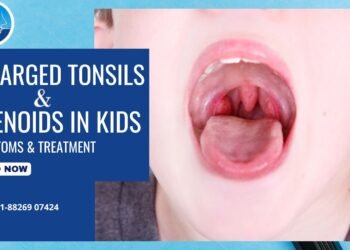
  • Enlarged Tonsils & Adenoids in Kids: Symptoms & Best Tonsillitis Treatment in Rohini

    Enlarged Tonsils & Adenoids in Kids: Symptoms & Best Tonsillitis Treatment in Rohini

    Introduction

    As a parent, watching your child struggle to breathe at night or constantly battle throat infections can be heartbreaking. Enlarged tonsils and adenoids are among the most common childhood health issues, affecting millions of kids worldwide. Understanding these conditions can help you recognize the signs early and seek appropriate care for your little one, Best Tonsillitis Treatment in Rohini.

    What Are Tonsils and Adenoids?

    Tonsils are two small glands located at the back of your child’s throat, visible when they open their mouth wide. Adenoids, on the other hand, sit higher up behind the nose and soft palate, making them invisible to the naked eye. Both are part of the immune system, acting as the body’s first line of defense against germs that enter through the mouth and nose.Best Tonsillitis Treatment in Rohini

    In healthy children, these tissues trap bacteria and viruses, helping to prevent infections. However, sometimes they become enlarged, doing more harm than good.

    Why Do They Become Enlarged?

    Tonsils and adenoids naturally grow larger during early childhood as they fight off infections. For most children, this is temporary. However, several factors can cause persistent enlargement:

    Recurrent Infections: Frequent throat infections, colds, or strep throat can cause chronic inflammation. Each infection makes the tissues swell, and sometimes they never fully return to normal size.

    Allergies: Children with seasonal or environmental allergies may experience enlarged adenoids as their bodies constantly react to allergens.Best Tonsillitis Treatment in Rohini

    Natural Growth Pattern: Some kids simply have larger tonsils and adenoids genetically. This doesn’t always mean there’s an infection—it’s just how they’re built.

    Recognizing the Symptoms

    The symptoms of enlarged tonsils and adenoids can significantly impact your child’s quality of life. Here’s what to watch for: Best Tonsillitis Treatment in Rohini

    Breathing Difficulties: If your child breathes through their mouth constantly, especially during sleep, enlarged adenoids might be blocking their nasal passages.

    Sleep Problems: Snoring, restless sleep, or sleep apnea (brief pauses in breathing during sleep) are red flags that shouldn’t be ignored.

    Recurrent Throat Infections: More than five to seven throat infections in a year indicates chronically enlarged tonsils.

    Speech Changes: A nasal-sounding voice or difficulty pronouncing certain sounds may result from enlarged adenoids.

    Ear Problems: Blocked adenoids can affect the Eustachian tubes, leading to ear infections or fluid buildup.

    Difficulty Swallowing: Large tonsils can make eating uncomfortable, causing your child to avoid certain foods or eat more slowly.

    Behavioral Changes: Poor sleep quality often leads to daytime fatigue, irritability, difficulty concentrating, or hyperactivity that resembles ADHD.

    If you notice these symptoms persisting, seeking Best Tonsillitis treatment in Rohini can provide your child with expert evaluation and care.

    Impact on Your Child’s Health

    Beyond discomfort, enlarged tonsils and adenoids can affect your child’s development. Chronic mouth breathing may alter facial structure over time, leading to what’s called “adenoid facies”—a long, narrow face with a high palate. Sleep apnea can impact growth hormones, cognitive development, and behavior. Recurring infections mean missed school days and prolonged antibiotic use Best Tonsillitis Treatment in Rohini.

    These aren’t issues to take lightly. Early intervention can prevent long-term complications.

    Diagnosis: What to Expect

    When you consult an ENT specialist, they’ll perform a thorough examination. For tonsils, a simple visual inspection using a tongue depressor suffices. Adenoids require a special mirror or a flexible scope inserted through the nose—quick and relatively painless.

    Your doctor might also ask about your child’s medical history, sleep patterns, and infection frequency. In some cases, a sleep study may be recommended to assess breathing problems during sleep. For comprehensive evaluation and Best Tonsillitis treatment in Rohini, experienced ENT specialists use advanced diagnostic tools to accurately assess your child’s condition.

    Treatment Options

    Treatment depends on the severity of symptoms and how much they affect your child’s daily life.

    Watchful Waiting: If symptoms are mild, your doctor may suggest monitoring the situation. Many children naturally outgrow the problem as their immune systems mature and airways grow larger.

    Medications: Antibiotics can treat bacterial infections, though they don’t reduce tonsil or adenoid size. Nasal steroid sprays may help shrink enlarged adenoids caused by allergies.Best Tonsillitis Treatment in Rohini

    Surgery: When conservative approaches fail, surgical removal becomes necessary. Tonsillectomy (removing tonsils) and adenoidectomy (removing adenoids) are among the most common childhood surgeries, with excellent safety records.

    According to the Centers for Disease Control and Prevention, surgery is typically recommended when children experience severe sleep apnea, recurrent infections despite medication, difficulty breathing or swallowing, or suspected tumors (rare).

    The procedures are usually done together and take about 30-45 minutes under general anesthesia. Most children go home the same day and recover within one to two weeks. Parents seeking Best Tonsillitis treatment in Rohini can find skilled surgeons who specialize in pediatric ENT procedures with minimal discomfort and quick recovery.

    Recovery and Aftercare

    Post-surgery, your child may experience throat pain, earache, and difficulty eating for several days. Soft foods, plenty of fluids, and prescribed pain medication make recovery smoother. Most kids return to normal activities within two weeks, and the improvement in breathing and sleep quality is often dramatic and immediate. Best Tonsillitis Treatment in Rohini

    Making the Right Decision

    Every child is different, and what works for one may not be appropriate for another. Trust your instincts as a parent. If your child’s symptoms are disrupting their sleep, growth, or happiness, don’t hesitate to seek professional advice. Finding the Best Tonsillitis treatment in Rohini means partnering with specialists who understand your concerns and prioritize your child’s wellbeing.

    With proper care and timely intervention, most children with enlarged tonsils and adenoids go on to lead healthy, active lives with significantly improved breathing, sleep, and overall quality of life.

    Frequently Asked Questions

    Q: At what age can tonsils and adenoids be removed?
    The surgery can be performed at any age, but it’s most common between ages 3-7 when problems typically arise.

    Q: Will removing tonsils weaken my child’s immune system?
    No. The body has many other immune defenses, and most children’s immunity remains unaffected after surgery.

    Q: How long does recovery from tonsillectomy take?
    Most children recover within 10-14 days, though full healing may take up to three weeks.

    Q: Can enlarged adenoids grow back after removal?
    Rarely, small amounts of tissue may regrow, but it seldom causes the same problems.

    Q: Are there alternatives to surgery?
    Depending on the cause, medications, allergy management, or watchful waiting may be options your doctor discusses with you.

  • Ear Infections in Children: Prevention and Treatment Guide |

    Ear Infections in Children: Prevention and Treatment Guide |

    Introduction

    Ear infections are among the most common childhood ailments, affecting millions of children worldwide each year. As a parent, understanding how to prevent and treat these infections can help ensure your child’s comfort and long-term ear health. Dr Shikhar Gupta, recognized as the Best Ear infection doctor in Rohini, provides this comprehensive guide to help parents navigate this common pediatric concern.Top ENT surgeon in Rohini

    Understanding Childhood Ear Infections

    Ear infections, medically known as otitis media, occur when bacteria or viruses cause inflammation in the middle ear—the space behind the eardrum. Children are particularly susceptible due to their shorter, more horizontal eustachian tubes, which can easily become blocked and trap fluid. This creates an ideal environment for bacterial growth.

    Most children will experience at least one ear infection before their third birthday, with peak incidence occurring between six months and two years of age. While often not serious, untreated or recurrent infections can lead to complications, including hearing loss, speech delays, and, in rare cases, more severe problems. Top ENT surgeon in Rohini.

    Recognizing the Symptoms

    Early identification of ear infections allows for prompt treatment. Watch for these telltale signs:

    In Infants and Toddlers:

    • Excessive crying or irritability, especially when lying down
    • Tugging or pulling at the ears
    • Difficulty sleeping or frequent night waking
    • Fever, particularly 100°F or higher
    • Fluid drainage from the ear
    • Loss of appetite or difficulty feeding
    • Poor balance or clumsiness

    In Older Children:

    • Complaints of ear pain or pressure
    • Difficulty hearing or responding to sounds
    • Headache
    • Feeling of fullness in the ear

    If your child exhibits these symptoms, consulting with a Top ENT surgeon in Rohini can provide an accurate diagnosis and appropriate treatment.

    Effective Prevention Strategies

    While not all ear infections are preventable, several strategies can significantly reduce your child’s risk:

    1. Practice Good Hygiene Regular handwashing remains one of the most effective ways to prevent infections. Teach children to wash their hands thoroughly, especially before meals and after using the bathroom.

    2. Minimize Pacifier Use Limit pacifier use, particularly after six months of age. Studies show that pacifier use can increase ear infection risk by affecting eustachian tube function.

    3. Breastfeed When Possible Breastfeeding for at least six months provides antibodies that boost your baby’s immune system, offering protection against ear infections.

    4. Avoid Secondhand Smoke Children exposed to tobacco smoke have higher rates of ear infections. Keep your home and car smoke-free environments. Top ENT surgeon in Rohini.

    5. Keep Vaccinations Current Vaccines, particularly pneumococcal and flu shots, can reduce the risk of ear infections by preventing the underlying illnesses that often lead to them.

    6. Proper Bottle-Feeding Position Never prop bottles or allow children to drink lying flat. This can cause milk to flow into the eustachian tubes, increasing infection risk.

    7. Manage Allergies Allergies can cause inflammation and congestion that contribute to ear infections. Work with your healthcare provider to manage seasonal or chronic allergies effectively.Top ENT surgeon in Rohini

    Treatment Options

    Treatment approaches depend on the child’s age, infection severity, and frequency of occurrence. Dr Shikhar Gupta, the Best Ear infection doctor in Rohini, typically recommends the following approaches:

    Watchful Waiting For mild cases in children over six months, doctors may recommend a wait-and-see approach for 48-72 hours, as many infections resolve without antibiotics.

    Pain Management Over-the-counter pain relievers like acetaminophen or ibuprofen (for children over six months) can provide comfort. Warm compresses applied to the ear may also help.Top ENT surgeon in Rohini.

    Antibiotic Therapy When necessary, antibiotics remain the primary treatment. Complete the full course even if symptoms improve to prevent antibiotic resistance and recurrence.

    Ear Tubes For children with recurrent infections (three or more in six months, or four or more in a year), a Top ENT surgeon in Rohini may recommend tympanostomy tubes. These tiny tubes inserted through the eardrum help drain fluid and equalize pressure, significantly reducing infection frequency.Top ENT surgeon in Rohini

    When to Seek Medical Attention

    Contact your healthcare provider immediately if your child experiences:

    • Symptoms lasting more than three days
    • Severe pain
    • High fever (above 102°F)
    • Fluid or pus draining from the ear
    • Hearing loss
    • Symptoms in children under six months
    • Recurrent infections

    Long-Term Outlook

    Most children outgrow their susceptibility to ear infections by age five as their eustachian tubes mature. With proper treatment and prevention strategies, ear infections rarely cause lasting problems. However, chronic or untreated infections may impact hearing and speech development, making regular follow-up care essential. Top ENT surgeon in Rohini.

    Conclusion

    While ear infections are a common part of childhood, understanding prevention strategies and knowing when to seek treatment can minimize discomfort and prevent complications. By maintaining good hygiene, following vaccination schedules, and working closely with experienced healthcare providers, parents can protect their children’s ear health effectively. Top ENT surgeon in Rohini.

    If your child experiences recurrent ear infections or you have concerns about their ear health, consulting with an experienced ENT specialist is crucial for comprehensive care and peace of mind.

    Frequently Asked Questions

    Q: How long do ear infections typically last? 

    Most ear infections improve within 48-72 hours with treatment, though fluid may remain in the middle ear for several weeks.Top ENT surgeon in Rohini

    Q: Can swimming cause ear infections? 

    Swimming itself doesn’t cause middle ear infections, but can contribute to outer ear infections (swimmer’s ear). Proper ear care after swimming helps prevent this.

    Q: Are ear infections contagious? 

    Ear infections themselves aren’t contagious, but the respiratory illnesses that often lead to them can spread between children.

    Q: When should my child see an ENT specialist? 

    If your child has three or more infections in six months, experiences hearing loss, or has fluid that persists beyond three months, an ENT consultation is recommended.