Introduction
As a parent, watching your child struggle to breathe at night or constantly battle throat infections can be heartbreaking. Enlarged tonsils and adenoids are among the most common childhood health issues, affecting millions of kids worldwide. Understanding these conditions can help you recognize the signs early and seek appropriate care for your little one, Best Tonsillitis Treatment in Rohini.
What Are Tonsils and Adenoids?
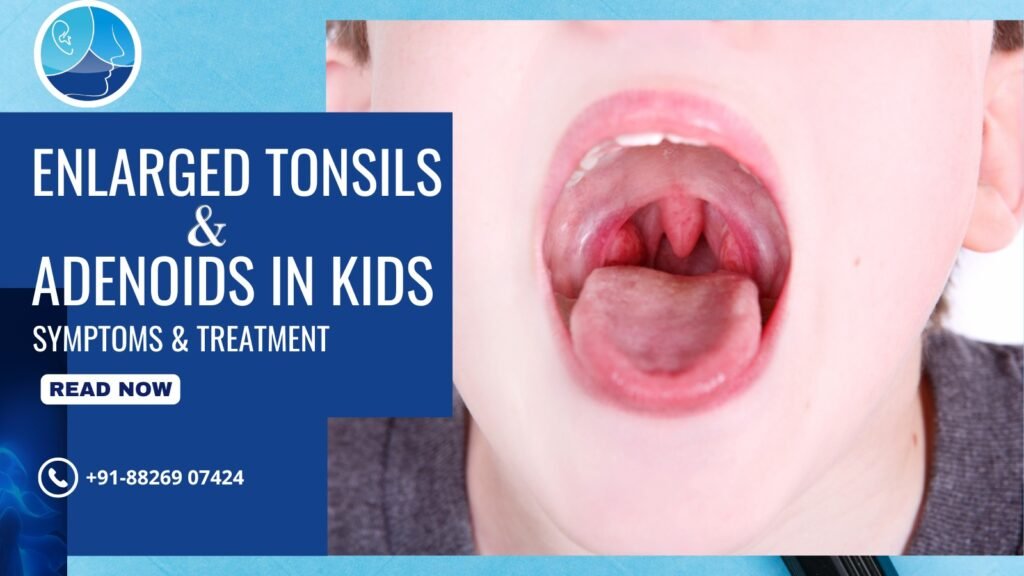
Tonsils are two small glands located at the back of your child’s throat, visible when they open their mouth wide. Adenoids, on the other hand, sit higher up behind the nose and soft palate, making them invisible to the naked eye. Both are part of the immune system, acting as the body’s first line of defense against germs that enter through the mouth and nose.Best Tonsillitis Treatment in Rohini
In healthy children, these tissues trap bacteria and viruses, helping to prevent infections. However, sometimes they become enlarged, doing more harm than good.
Why Do They Become Enlarged?
Tonsils and adenoids naturally grow larger during early childhood as they fight off infections. For most children, this is temporary. However, several factors can cause persistent enlargement:
Recurrent Infections: Frequent throat infections, colds, or strep throat can cause chronic inflammation. Each infection makes the tissues swell, and sometimes they never fully return to normal size.
Allergies: Children with seasonal or environmental allergies may experience enlarged adenoids as their bodies constantly react to allergens.Best Tonsillitis Treatment in Rohini
Natural Growth Pattern: Some kids simply have larger tonsils and adenoids genetically. This doesn’t always mean there’s an infection—it’s just how they’re built.
Recognizing the Symptoms
The symptoms of enlarged tonsils and adenoids can significantly impact your child’s quality of life. Here’s what to watch for: Best Tonsillitis Treatment in Rohini
Breathing Difficulties: If your child breathes through their mouth constantly, especially during sleep, enlarged adenoids might be blocking their nasal passages.
Sleep Problems: Snoring, restless sleep, or sleep apnea (brief pauses in breathing during sleep) are red flags that shouldn’t be ignored.
Recurrent Throat Infections: More than five to seven throat infections in a year indicates chronically enlarged tonsils.
Speech Changes: A nasal-sounding voice or difficulty pronouncing certain sounds may result from enlarged adenoids.
Ear Problems: Blocked adenoids can affect the Eustachian tubes, leading to ear infections or fluid buildup.
Difficulty Swallowing: Large tonsils can make eating uncomfortable, causing your child to avoid certain foods or eat more slowly.
Behavioral Changes: Poor sleep quality often leads to daytime fatigue, irritability, difficulty concentrating, or hyperactivity that resembles ADHD.
If you notice these symptoms persisting, seeking Best Tonsillitis treatment in Rohini can provide your child with expert evaluation and care.
Impact on Your Child’s Health
Beyond discomfort, enlarged tonsils and adenoids can affect your child’s development. Chronic mouth breathing may alter facial structure over time, leading to what’s called “adenoid facies”—a long, narrow face with a high palate. Sleep apnea can impact growth hormones, cognitive development, and behavior. Recurring infections mean missed school days and prolonged antibiotic use Best Tonsillitis Treatment in Rohini.
These aren’t issues to take lightly. Early intervention can prevent long-term complications.
Diagnosis: What to Expect
When you consult an ENT specialist, they’ll perform a thorough examination. For tonsils, a simple visual inspection using a tongue depressor suffices. Adenoids require a special mirror or a flexible scope inserted through the nose—quick and relatively painless.
Your doctor might also ask about your child’s medical history, sleep patterns, and infection frequency. In some cases, a sleep study may be recommended to assess breathing problems during sleep. For comprehensive evaluation and Best Tonsillitis treatment in Rohini, experienced ENT specialists use advanced diagnostic tools to accurately assess your child’s condition.
Treatment Options
Treatment depends on the severity of symptoms and how much they affect your child’s daily life.
Watchful Waiting: If symptoms are mild, your doctor may suggest monitoring the situation. Many children naturally outgrow the problem as their immune systems mature and airways grow larger.
Medications: Antibiotics can treat bacterial infections, though they don’t reduce tonsil or adenoid size. Nasal steroid sprays may help shrink enlarged adenoids caused by allergies.Best Tonsillitis Treatment in Rohini
Surgery: When conservative approaches fail, surgical removal becomes necessary. Tonsillectomy (removing tonsils) and adenoidectomy (removing adenoids) are among the most common childhood surgeries, with excellent safety records.
According to the Centers for Disease Control and Prevention, surgery is typically recommended when children experience severe sleep apnea, recurrent infections despite medication, difficulty breathing or swallowing, or suspected tumors (rare).
The procedures are usually done together and take about 30-45 minutes under general anesthesia. Most children go home the same day and recover within one to two weeks. Parents seeking Best Tonsillitis treatment in Rohini can find skilled surgeons who specialize in pediatric ENT procedures with minimal discomfort and quick recovery.
Recovery and Aftercare
Post-surgery, your child may experience throat pain, earache, and difficulty eating for several days. Soft foods, plenty of fluids, and prescribed pain medication make recovery smoother. Most kids return to normal activities within two weeks, and the improvement in breathing and sleep quality is often dramatic and immediate. Best Tonsillitis Treatment in Rohini
Making the Right Decision
Every child is different, and what works for one may not be appropriate for another. Trust your instincts as a parent. If your child’s symptoms are disrupting their sleep, growth, or happiness, don’t hesitate to seek professional advice. Finding the Best Tonsillitis treatment in Rohini means partnering with specialists who understand your concerns and prioritize your child’s wellbeing.
With proper care and timely intervention, most children with enlarged tonsils and adenoids go on to lead healthy, active lives with significantly improved breathing, sleep, and overall quality of life.
Frequently Asked Questions
Q: At what age can tonsils and adenoids be removed?
The surgery can be performed at any age, but it’s most common between ages 3-7 when problems typically arise.
Q: Will removing tonsils weaken my child’s immune system?
No. The body has many other immune defenses, and most children’s immunity remains unaffected after surgery.
Q: How long does recovery from tonsillectomy take?
Most children recover within 10-14 days, though full healing may take up to three weeks.
Q: Can enlarged adenoids grow back after removal?
Rarely, small amounts of tissue may regrow, but it seldom causes the same problems.
Q: Are there alternatives to surgery?
Depending on the cause, medications, allergy management, or watchful waiting may be options your doctor discusses with you.